
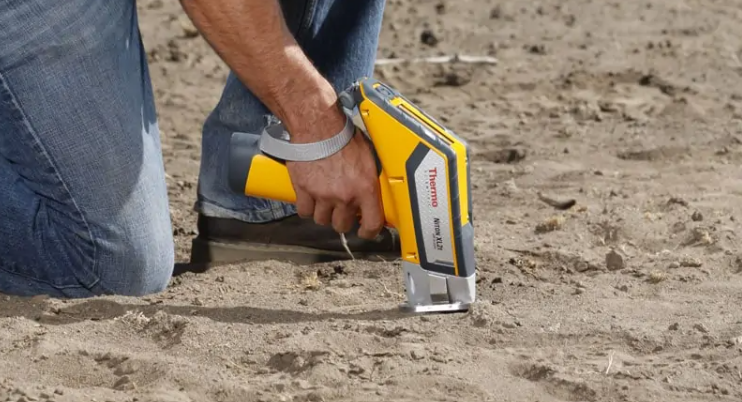
Land artificialization refers to all “processes involving the loss of natural, agricultural, or forest areas (ENAF) leading to a change in soil structure.” In other words, it is the transformation of land for the purpose of developing housing, commercial facilities, places of activity, or public amenities.
Artificialized land in France covers 3.5 million hectares: 41.9% for housing, 27.8% for the road network, and 16.2% for services and leisure activities.
This urban sprawl has many negative consequences for the environment: damage to biodiversity, reduced agricultural potential, increased CO2 emissions, and soil contamination with pollutants such as nitrogen and phosphate fertilizers, hydrocarbons, heavy metals, and more.
Identifying polluted soil: the challenges
Identifying and cleaning up environmental contaminants is a major and costly challenge for universities, research institutes, environmental consulting firms, and others. From modeling hazardous sites to assessing risks and screening for contaminants on site, the ability to efficiently analyze large volumes of samples in situ is essential. Accuracy and speed are essential; relying solely on off-site testing laboratories can be time-consuming and costly.
Portable XRF spectrometry, a solution of choice for analyzing contaminated soil
X-ray fluorescence spectrometry is a method of chemical analysis. It can be used to characterize the elemental composition of a soil sample, i.e., its mass concentration of elements. Portable XRF spectrometers are therefore the solution of choice for rapid analysis of metals and other minerals in contaminated solid environments. These instruments are particularly well suited to various applications for the analysis of contaminated soil.
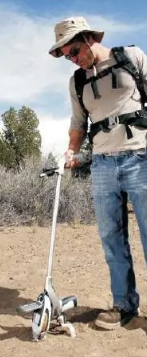
- Mapping polluted areas
- Portable XRF devices are equipped with GPS and can be used to quantify, map, and delineate areas of pollution. Semi-quantitative analyses provide an “impacted/unimpacted” response. This soil condition assessment tool is of interest to users who want to determine the extent of an impact at the diagnostic stage or who regularly participate in soil monitoring plans.
- Simplify on-site contaminant screening and risk assessment
- Niton XRF portable analyzers enable accurate and rapid analysis directly in the field to screen for heavy metals such as Ag, Pb, As, Cd, Ba, Cr, Ni, and other priority pollutants.
- Increase measurements while limiting the number of laboratory analyses
- When diagnosing contaminated soil, measurements taken with portable XRF analyzers provide near-instantaneous, legally defensible results in situ for rapid decision-making at a significantly lower cost than off-site laboratory testing.
On-site measurements do not replace laboratory testing. However, they do reduce the number of tests required and allow for sample selection. The US Environmental Protection Agency (EPA) recommends laboratory analysis of a minimum number of samples in conjunction with a portable XRF device in order to establish a statistical relationship specific to the site under investigation.
Fondis Electronic, distributor of portable XRF spectrometers
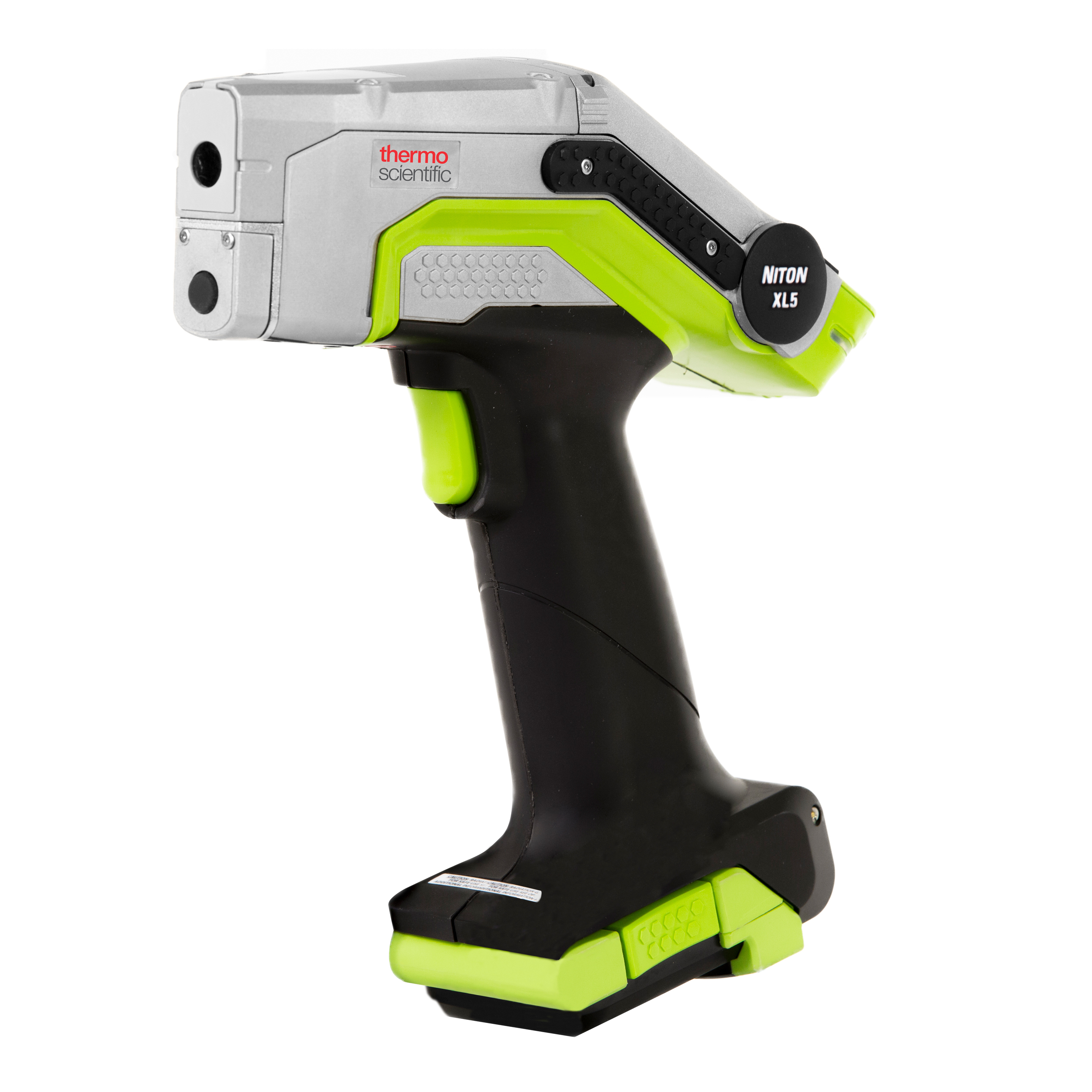
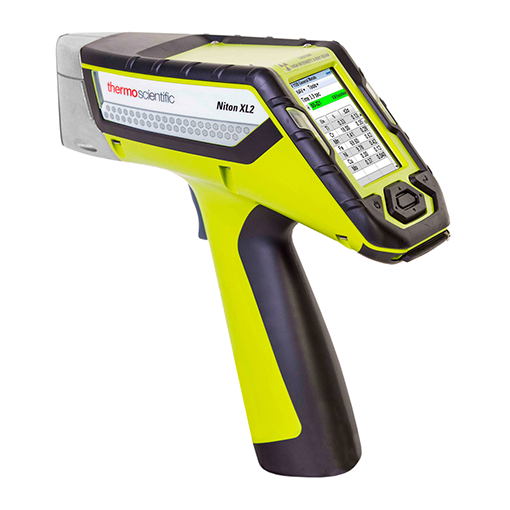
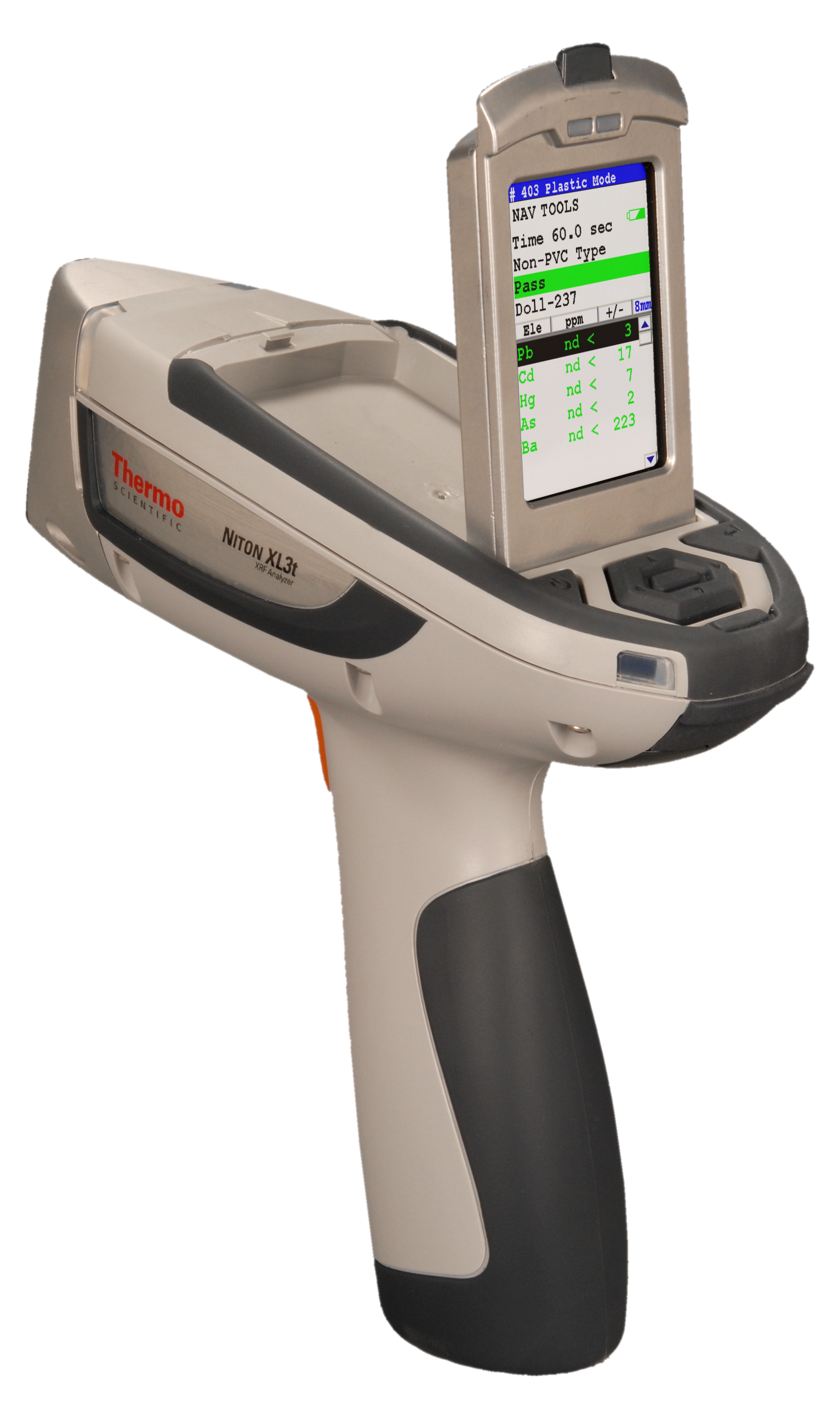
For over 20 years, Fondis Electronic has been distributing the Thermo Scientific range of portable XRF spectrometers in France, Belgium, and Luxembourg. Lightweight and robust, the XL2 Plus, XL3t, and XL5 spectrometers are designed to assess environmental risks. Semi-quantitative analyses performed in situ enable polluted areas to be mapped. Their desktop configuration is suitable for quantitative analysis thanks to the measurement stands and sample preparation accessories.
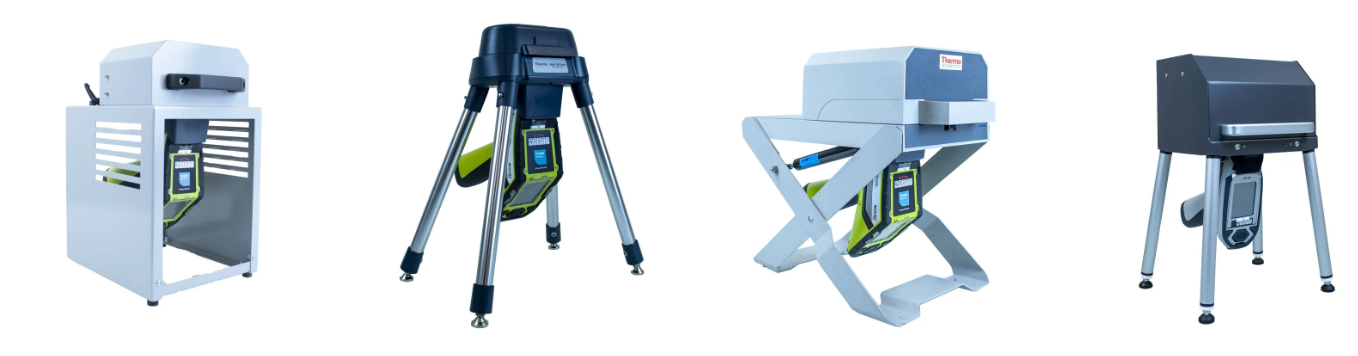
Our solutions are available for purchase or one-time rental. Our teams will advise you on the choice of portable XRF analyzer that best suits your needs for the best performance/investment ratio. They provide after-sales service, installation, qualification, and user training.
|
|
|
|
Découvrir la gamme