
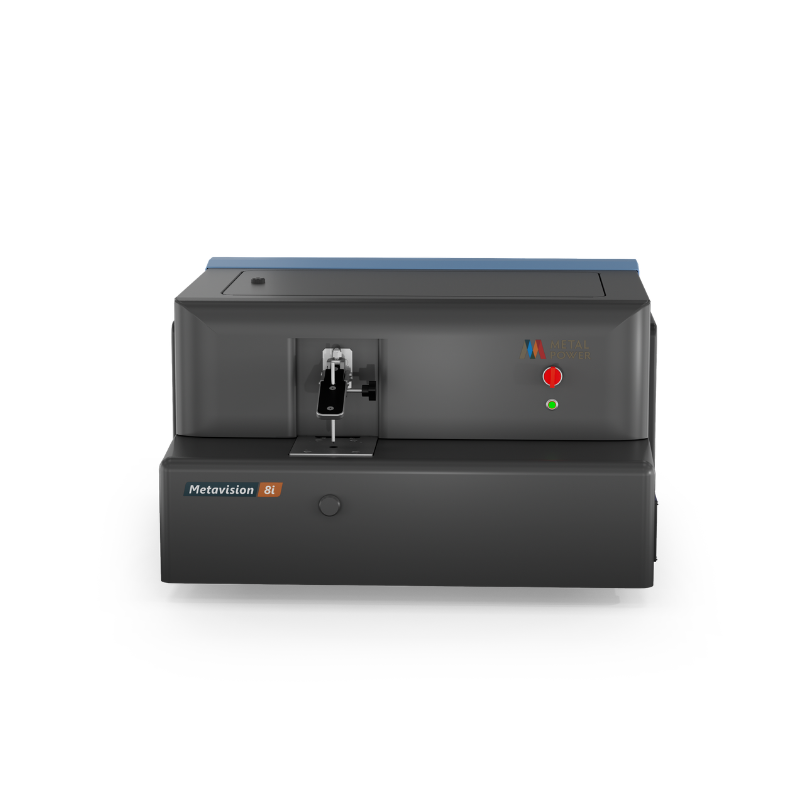
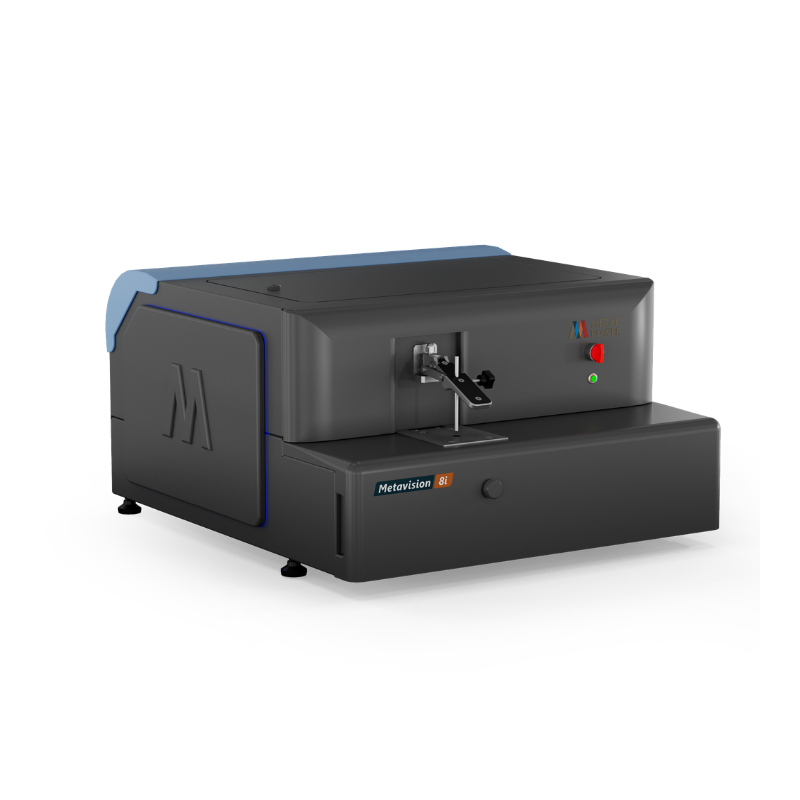
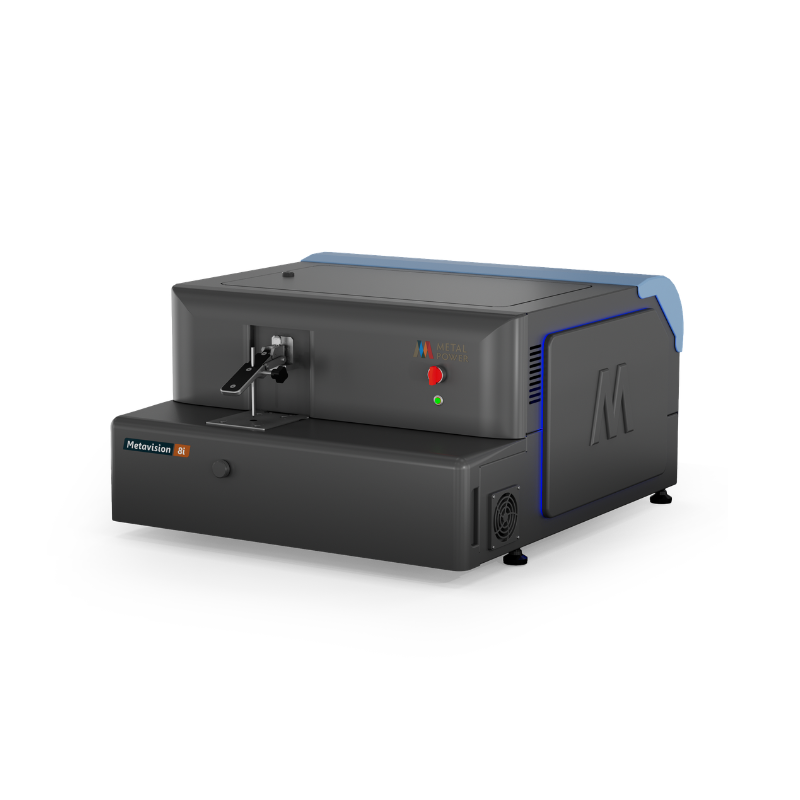
Metavision 8i: Stationary OES
Economical OES spectrometer
- Analysis in less than 30 seconds
- Mobile app
- Library of over 350,000 metal shades
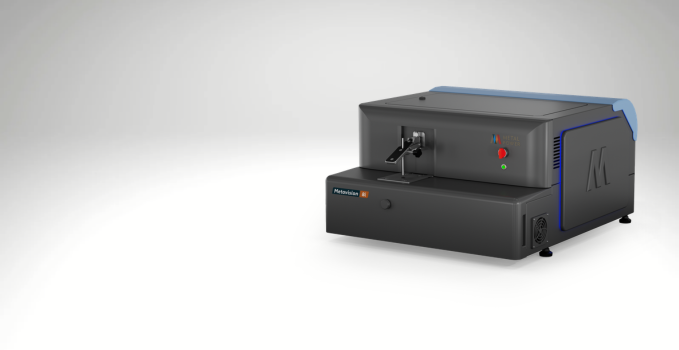
The Metavision-8i is an economical spectrometer with numerous features for performing elemental analysis down to ≤20 ppm.
Ideal for foundries and machine shops, this device provides fast and accurate analysis of the chemical composition of metals. It incorporates cutting-edge technologies to ensure rigorous quality control of ferrous and non-ferrous alloys. Easy to use and reliable, the Metavision-8i is the solution of choice for companies seeking high-quality laboratory analysis with a controlled investment.
Advantages
Advanced technology for consistent accuracy
The Metavision-8i is based on an innovative optical system using latest-generation CMOS detectors. This configuration covers a wide spectral range, ensuring the analysis of all critical elements required for alloy certification.
The Metavision 8i’s optics are sealed and stabilized, minimizing the impact of temperature variations and ambient dust. Each measurement is reproducible, session after session.
Its detection limits are adapted to standard industrial requirements.
Versatile analysis and sample flexibility
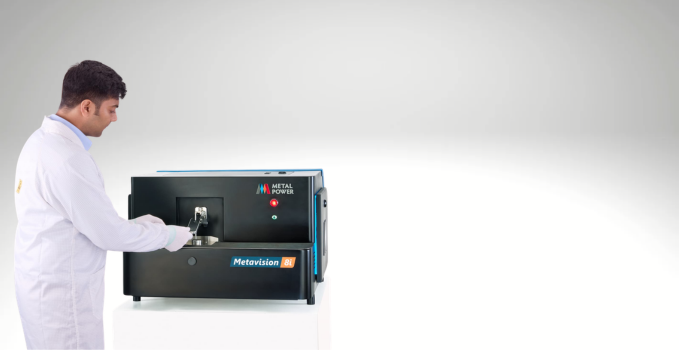
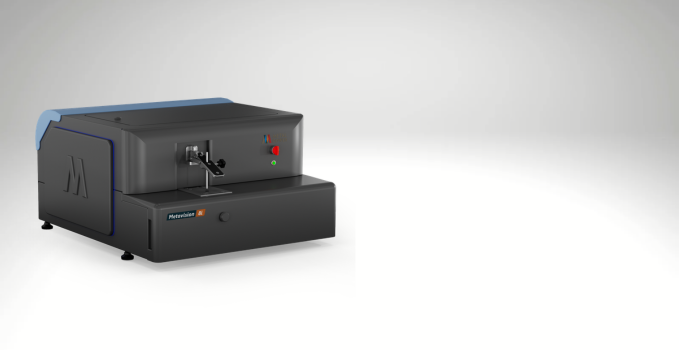
One of the major advantages of the Metavision-8i is its ability to process a wide variety of sample shapes with minimal preparation. The device can analyze fine wires or small castings.
The integrated metal grade library allows for quick identification and confirmation of grades.
Enhanced analysis
The Metavision-8i provides carbon results equivalent to those of combustion analyzers because it covers the 148 nm wavelength for carbon. It automatically evaluates graphitization in CI/DI samples.
The Metavision 8i analyzes low ppm nitrogen in steels and CI/DI with LODs down to 20 ppm.
Specifications
| Technology | Optical arc/spark emission |
| Format options | On the table |
| Configuration | Double optics without vacuum |
| Design | Rowland circle with Paschen-Runge mounts |
| Detector type | CMOS |
| Detection device | Multiple detector array |
| Wavelength coverage | 140-620 nm |
| Grid (grooves/mm) | 3 600 & 2 400 |
| Reciprocal linear dispersion | 1.6 nm/mm |
| Construction | Argon purged |
| Peltier-cooled optics | No |
| Thermal stabilization | Yes |
| Type of excitation source | Fully digital PWM |
| Control indicator | Controlled by current |
| Maximum discharge frequency (Hz) | 1,000 |
| Input voltage range | 90-270 VAC |
| Frequency | 50/60 Hz |
| Spark chamber | Open booth |
| Electrode flow type | Jet flow |
| Automatic sample detection | Disponible |
| Electrode | Tungsten |
| Quick Release Spark Plate | Yes |
| Computer interface | Ethernet |
| Factory calibration available | Ferreux, aluminium, cuivre, nickel, plomb, étain, zinc, titane, magnésium, cobalt, zirconium et argent |
| Alloy Programs | Individual alloy programs for all of the above elements |
| Basic coverage | +55 |
| Time-resolved spectroscopy (TRS) | No |
| Purity analysis | +99.98% |
| Hydrogen (H) in titanium (Ti) | No |
| Oxygen (O) in iron, copper, titanium, and nickel | No |
| Nitrogen (N) in steels | Yes |
| Soluble-Insoluble in steels (Al, Ti, B, Ca) | No |
| Sodium (Na) and lithium (Li) in aluminum | Yes |
| RoHS elements (Pb, Hg, Cd) | Yes |
| Standardization/Recalibration | Smart STD (Single Sample Technique) |
| Size (On Table) | 810mm (L) x 730mm (W) x 470mm (H) |
| Weight (On Table) | ~50 Kgs |
| Operating temperature | 18 - 35˚C |
| Storage temperature | -10 - 50˚C |
| Relative humidity | 20 to 80% (non-condensing) |
| Regulatory certifications | Certifié CE |
| References on test methods | ASTM, DIN |
In the same category
-
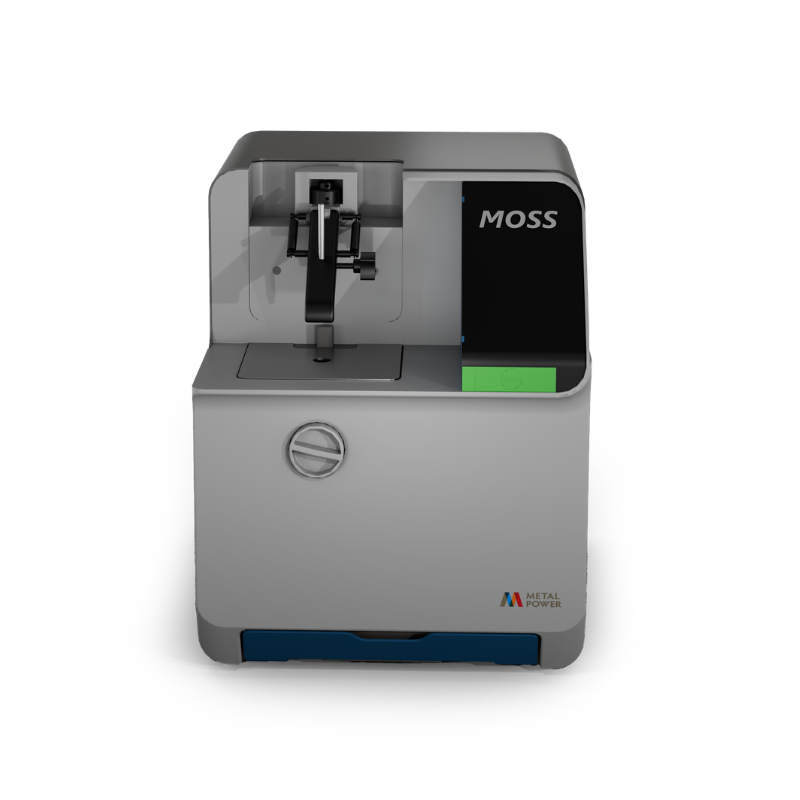
Moss: Stationary OES
-
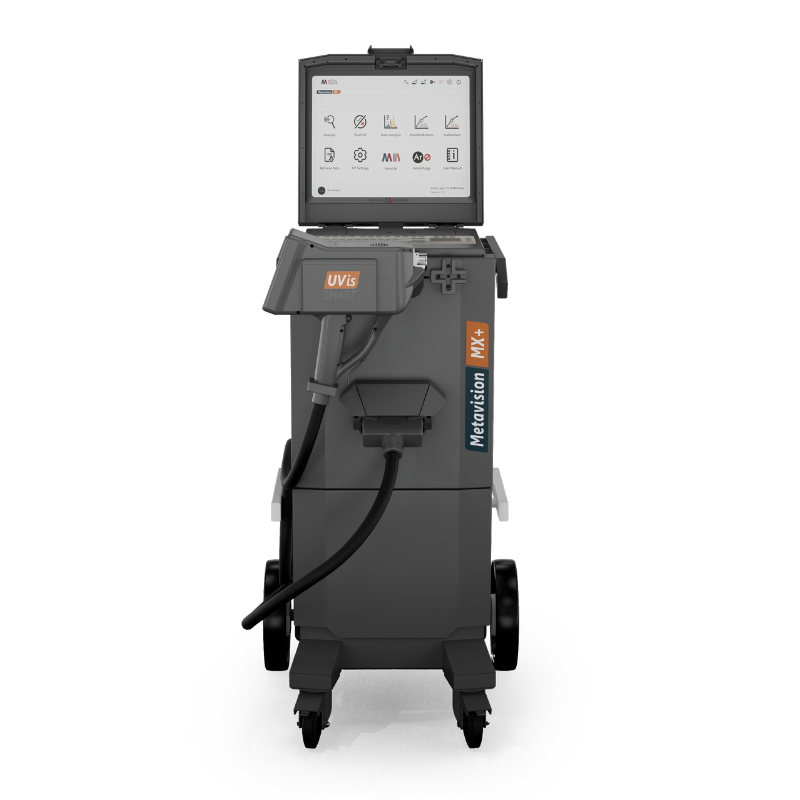
Metavision MX+ : mobile OES
-
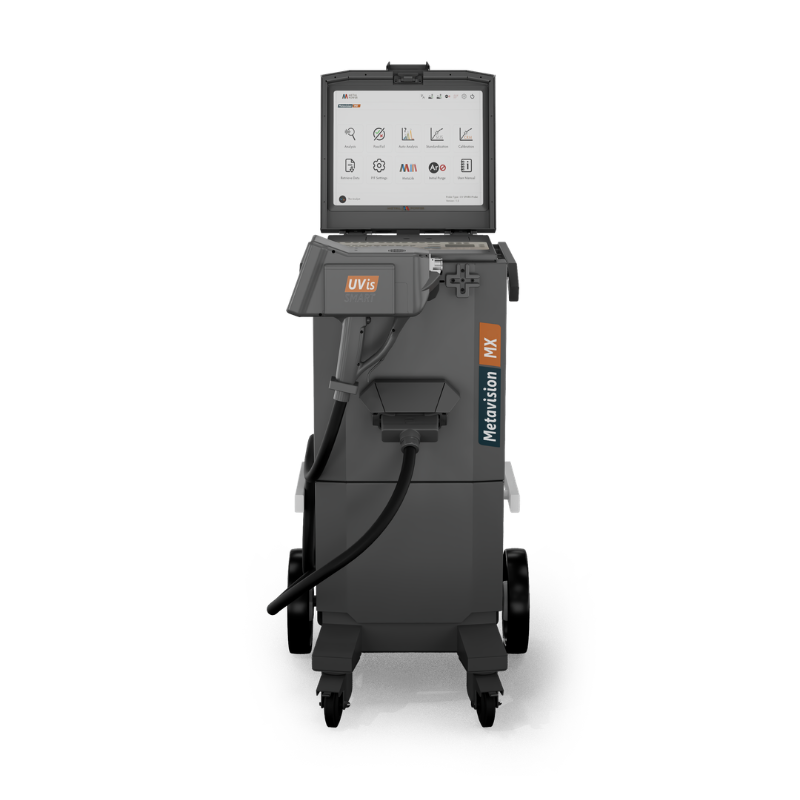
Metavision- MX
-
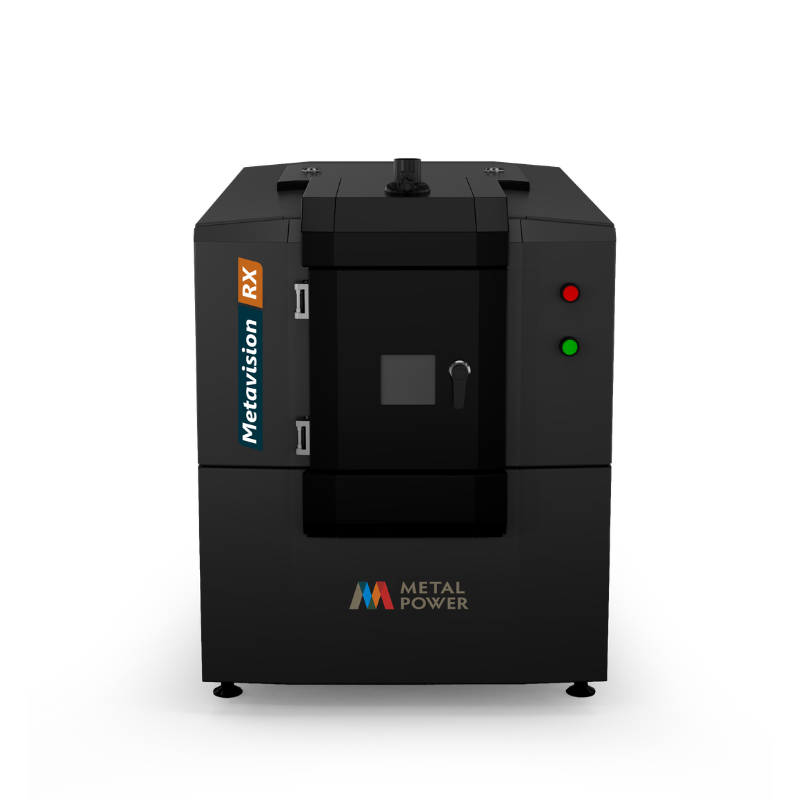
Metavision RX: Stationary OES
-
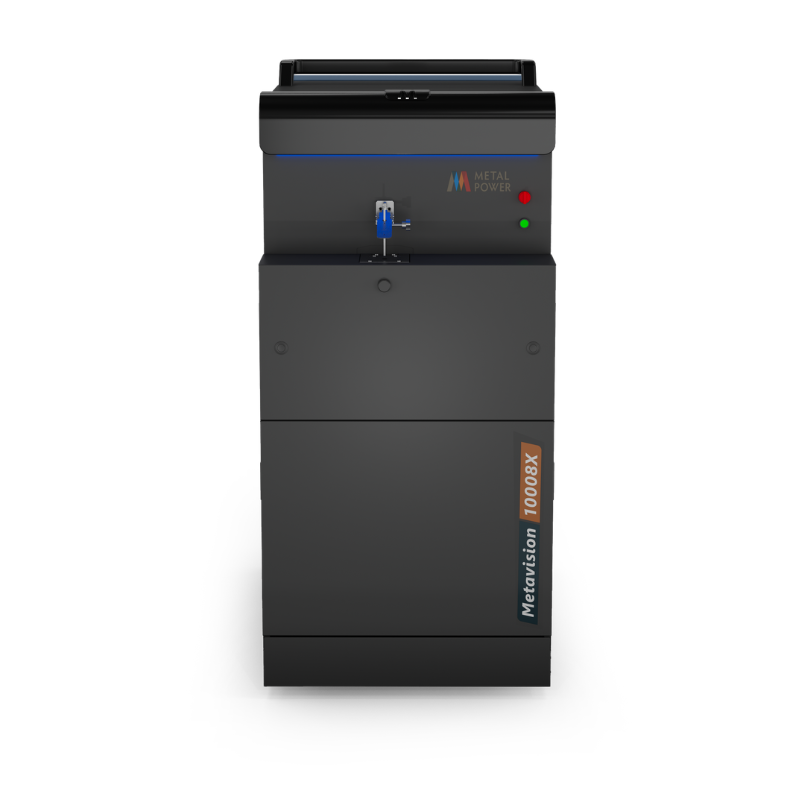
Metavision-10008X: Stationary OES
-
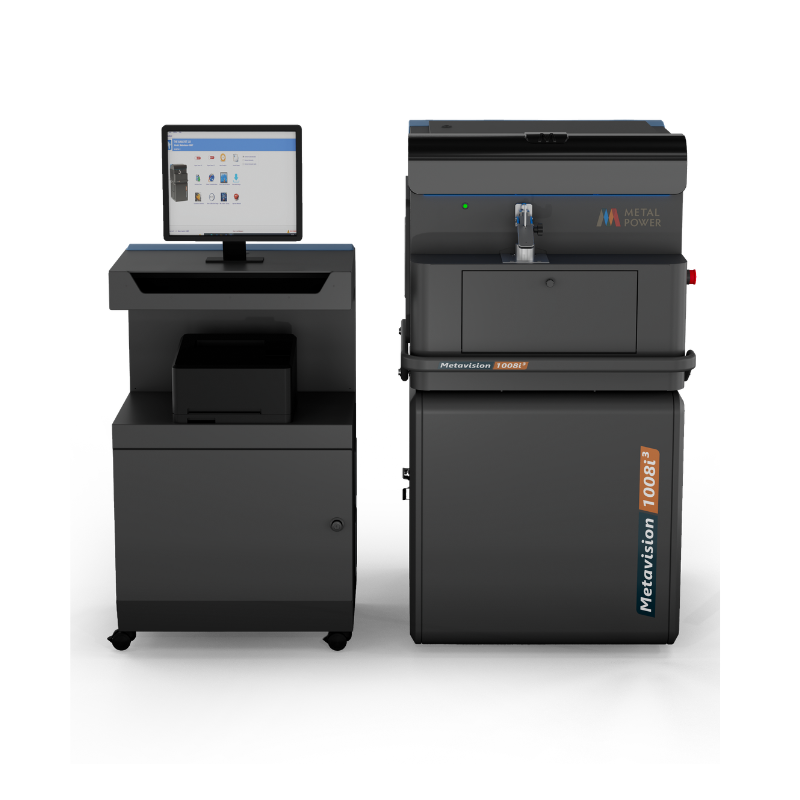
Metavision-1008i3: Stationary OES
-
Metavision 8i: Stationary OES
-
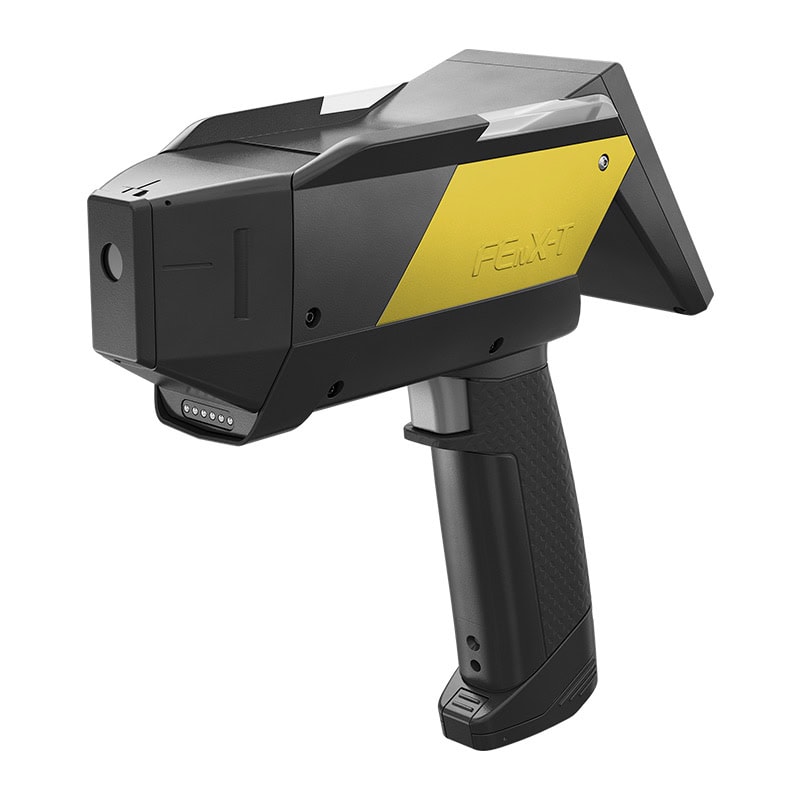
FEnX-T Starter: handheld XRF analyzer for metals
-
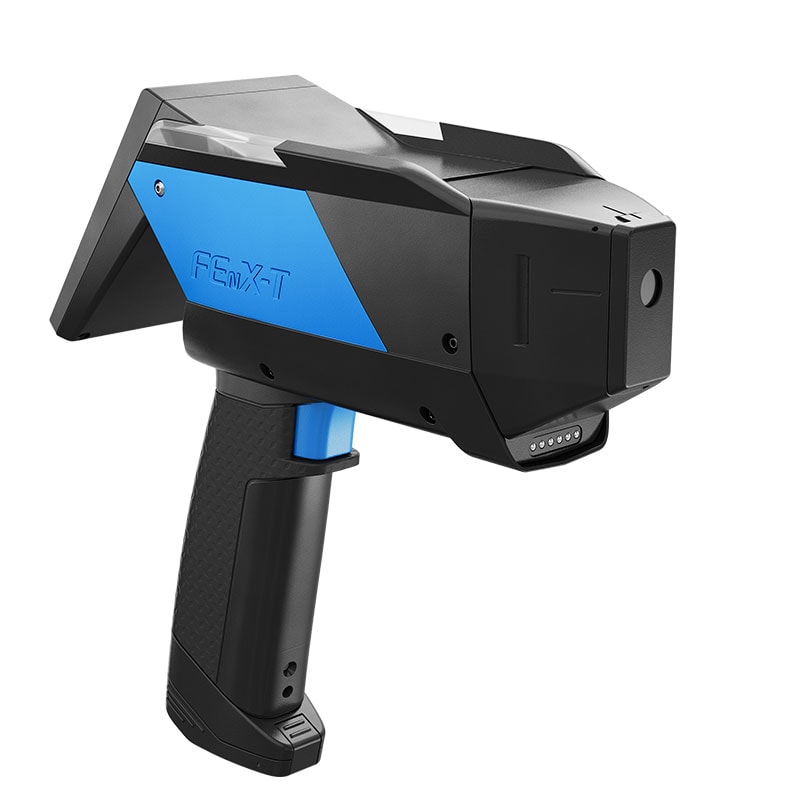
FEnX-T, XRF analyser
-
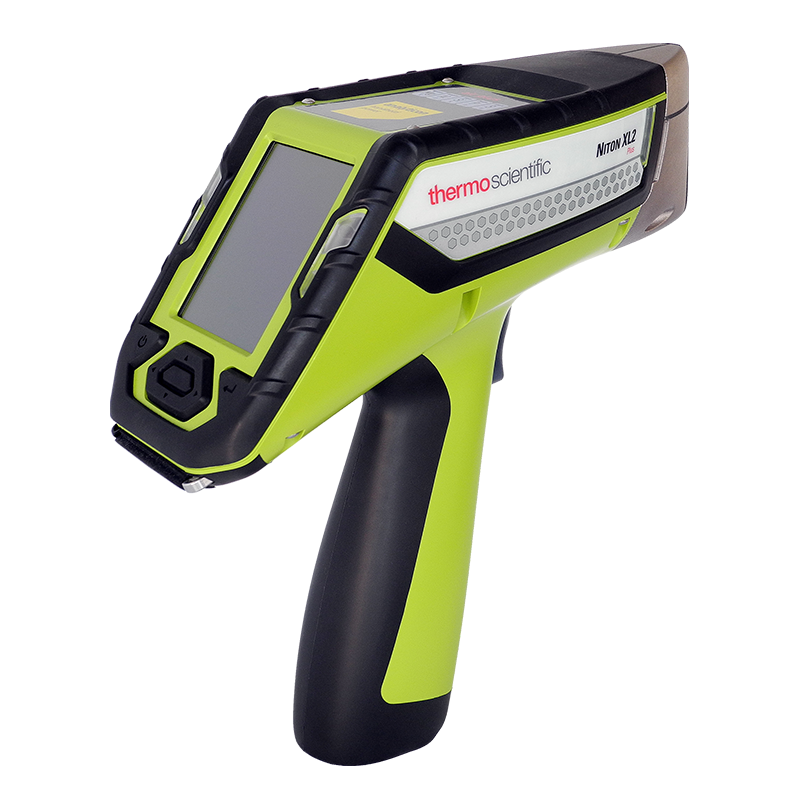
Niton™ XL2 Plus | XRF Spectrometer
-
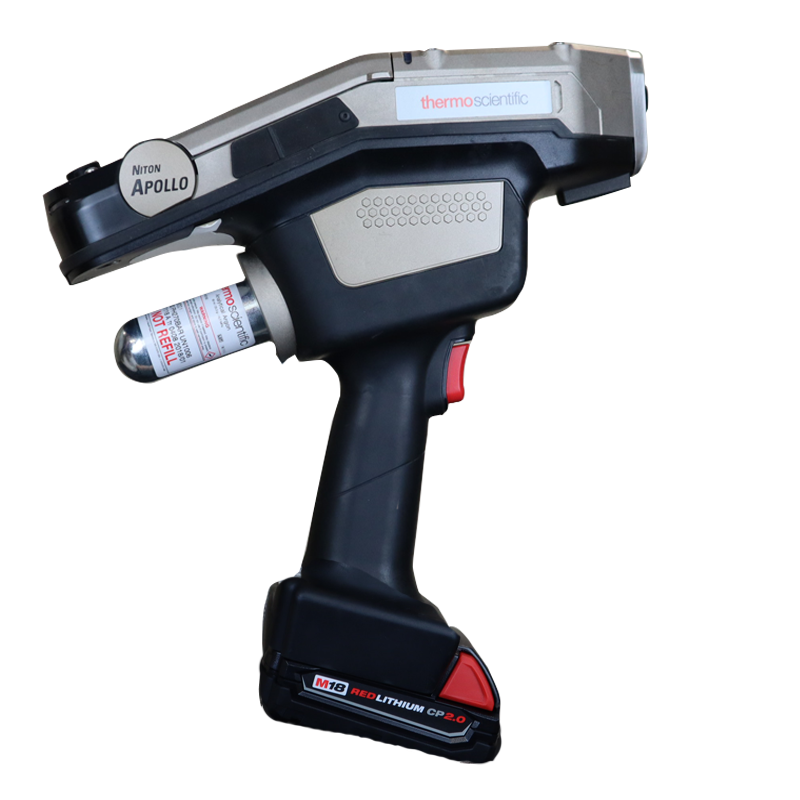
Apollo – LIBS analyzer
-
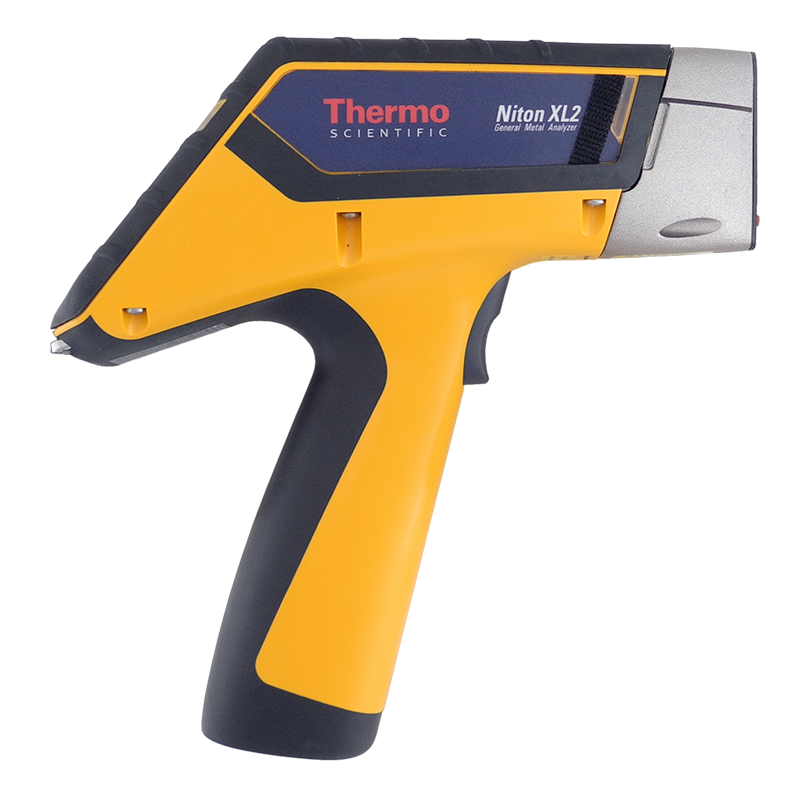
Niton™ XL2 100G XRF analyzer
-
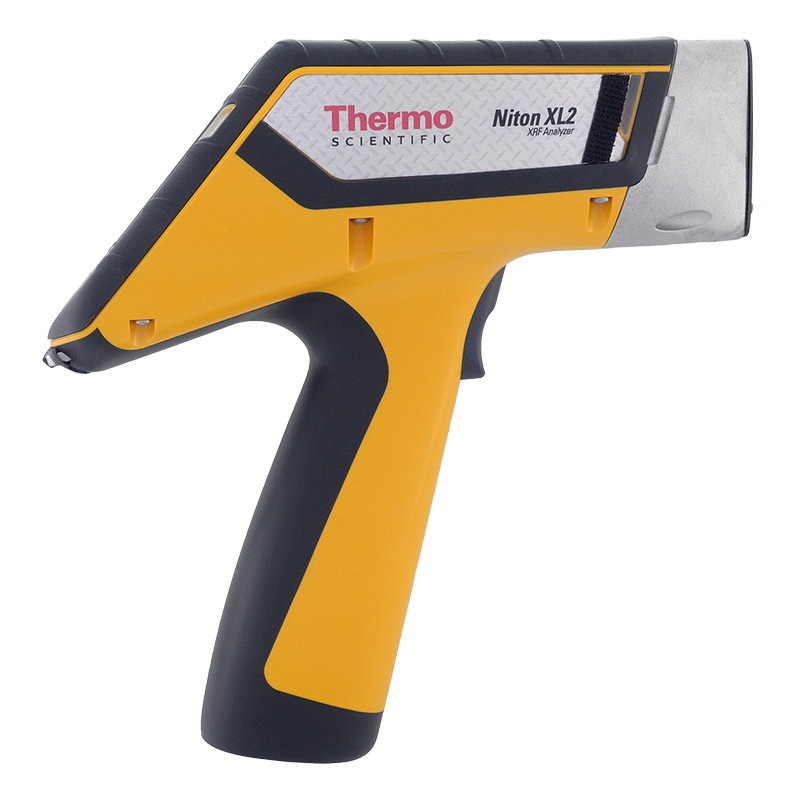
Niton™ XL2 XRF analyzer
-
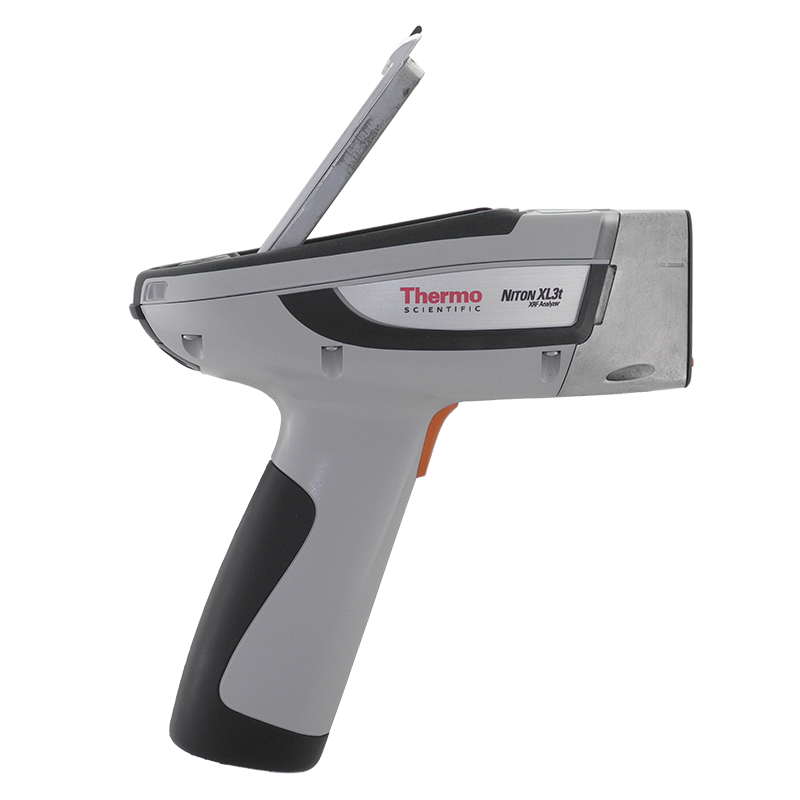
Niton™ XL3t XRF analyzer
-
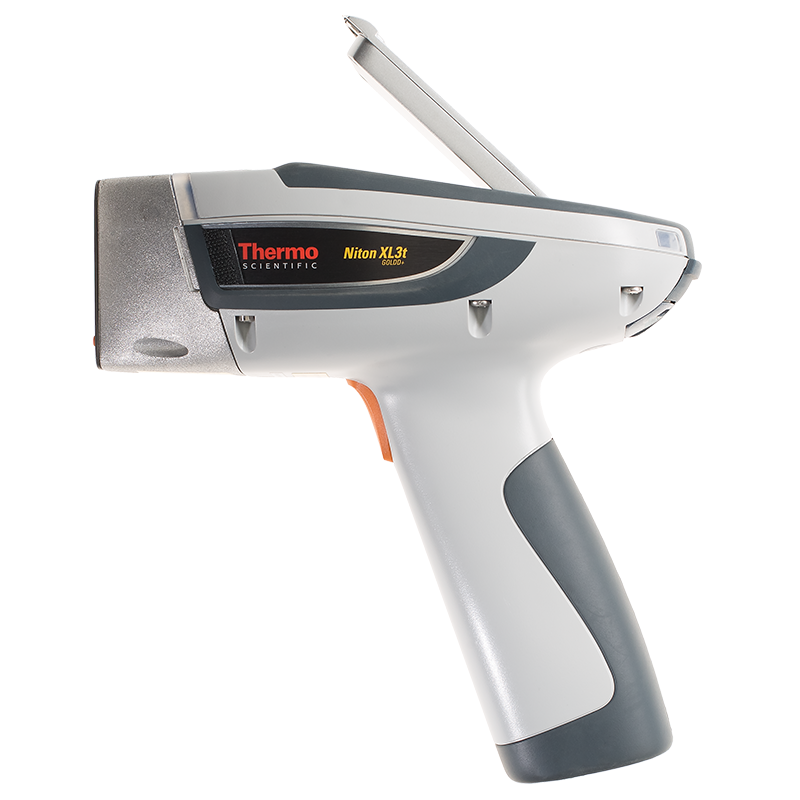
Niton™ XL3t GOLDD+ | XRF analyzer
-
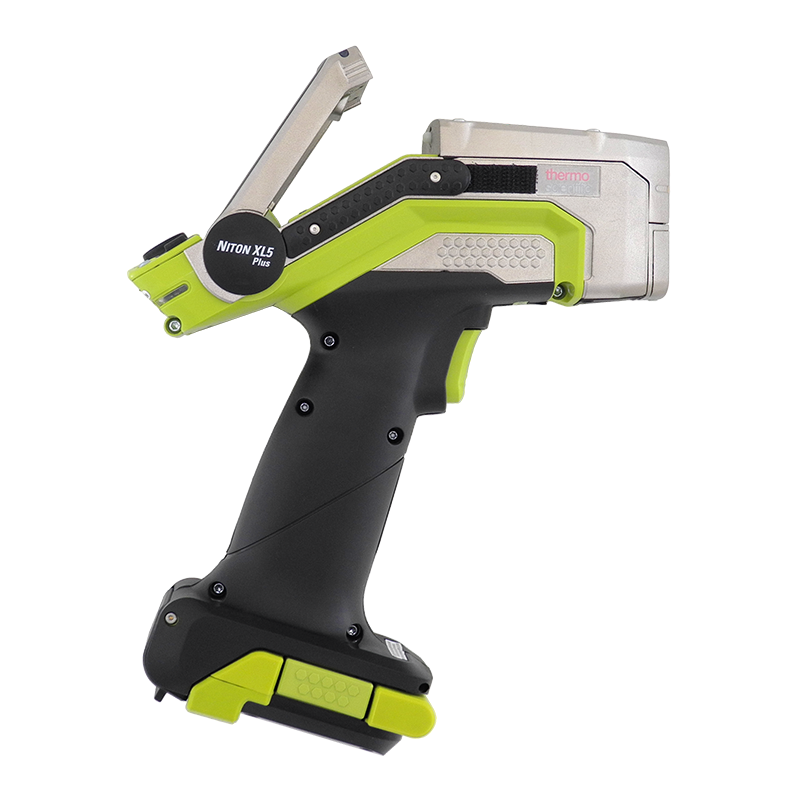
Niton™ XL5 Plus | Handheld XRF analyzer