
Moss: Stationary OES
The world's smallest OES spectrometer
- Analysis in under 30 seconds
- The world’s smallest OES
- A library of over 50,000 metal grades
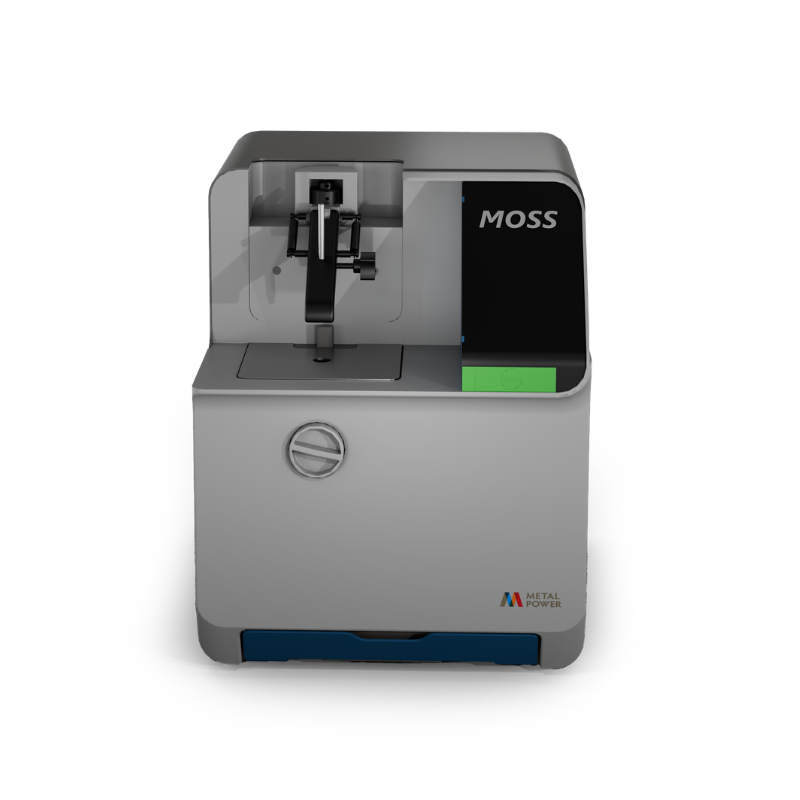
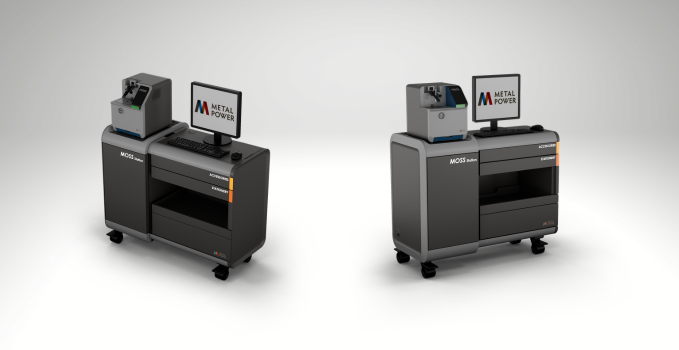
Metal Power’s MOSS is the most compact benchtop optical emission spectrometer, designed to deliver high-performance laboratory analysis in a compact format. Ideal for businesses with limited space or requiring an entry-level analytical solution without compromising on accuracy, the MOSS enables the instant identification and quantification of the composition of ferrous and non-ferrous metals.
Advantages
The smallest OES
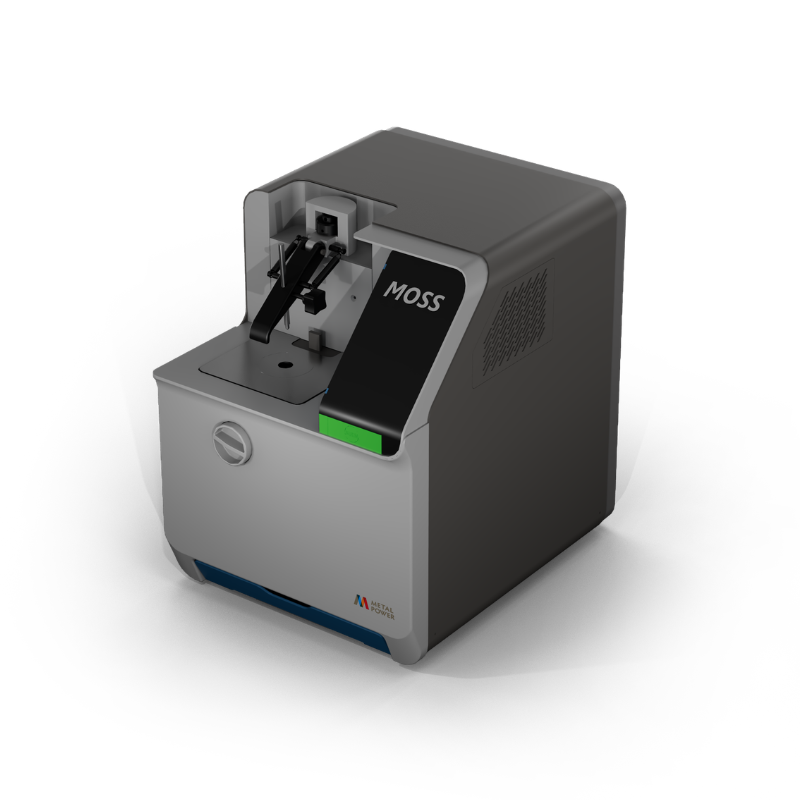
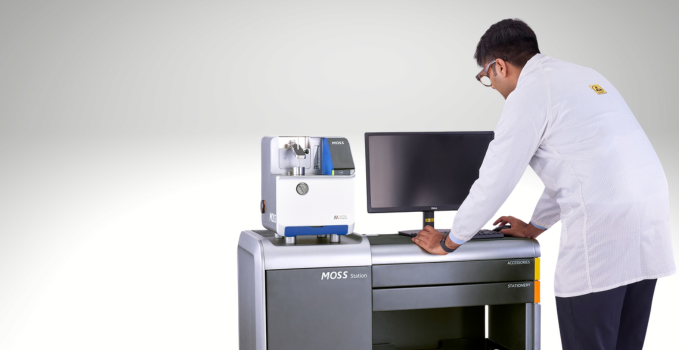
Metal Power’s MOSS redefines miniaturisation in the field of optical emission spectrometry. With its minimal footprint, it fits easily onto any workbench, transforming a corner of the workshop into a fully-fledged quality control centre. It makes no compromise on performance thanks to its optical system based on state-of-the-art CCD detectors. This technology enables the analysis of all critical elements (carbon, sulphur, phosphorus, etc.) with high precision.
Wide elemental coverage
The Moss is capable of analysing more than 40 elements, including 25 in steels.
The detection limits for carbon, sulphur and phosphorus are as low as 50 ppm, and 5 ppm for boron. This OES spectrometer is ideal for analysing cast iron, steel and aluminium.
Equipped with an advanced argon-saving system, the Moss offers over 2,000 burns per cylinder.
Simplified operation and versatility
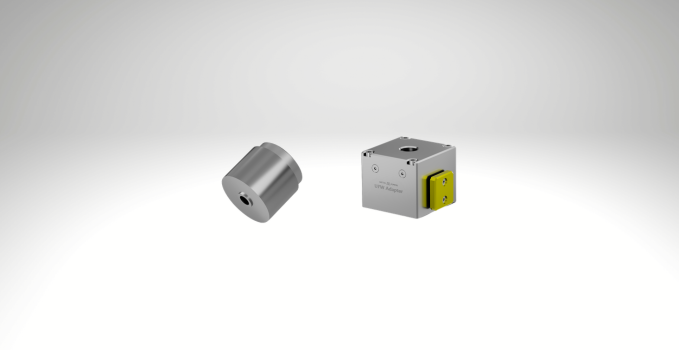
The MOSS is capable of analysing samples with complex shapes or small dimensions, such as fine wires up to 3 mm in diameter or small samples measuring 4 to 13 mm, offering great versatility.
This benchtop OES spectrometer features a user-friendly interface and streamlined software. Even with basic training, operators can easily use Metal Power’s MOSS.
Applications
Alloy analysis
Specifications
| Technology | Arc/Spark Optical Emission |
| Form Factor Options | Benchtop/Floor-standing |
| Configuration | Vacuum-free optics |
| Conception | Flat-field design to minimise spectral distortion |
| Detector type | CCD |
| Detector Arrangement | Single-detector |
| Wavelength Coverage, Focal Length, Grating (grooves/mm) | Patented |
| Reciprocal Linear Dispersion | 8.3 nm/mm |
| Construction | Argon purged |
| Peltier Cooled Optics | No |
| Thermal Stabilization | Yes |
| Type of excitation source | Fully Digital PWM |
| Control Metric | Current-controlled |
| Max. Discharge Frequency (Hz) | 1,000 |
| Input Voltage range | 90-270 VAC |
| Frequency | 50/60 Hz |
| Spark chamber | Open stand |
| Electrode Flow type | Jet flow |
| Automatic Sample Detection | Available |
| Electrode | Tungsten |
| Quick Release Spark Plate | No |
| Computer Interface | USB |
| Available Factory Calibrations | Ferrous, Aluminium, Copper, Nickel, Lead, Tin, and Zinc |
| Alloy | Individual alloy programs for all of the above |
| Time Resolved Spectroscopy (TRS) | No |
| Purity Analysis | +99.9% |
| Hydrogen (H) in Ti | No |
| Oxygen (O) in Fe, Cu, Ti & Ni | No |
| Nitrogen (N) in Steels | Yes |
| Soluble-Insoluble in Steels (Al, Ti, B, Ca) | No |
| Sodium (Na) & Lithium (Li) in Aluminium | No |
| RoHS Elements (Pb, Hg, Cd) | No |
| Standardisation/Re-calibration | Smart STD (Single-sample Technique) |
| Size (Benchtop) | 330mm (L) x 270mm (W) x 340mm (H) |
| Weight (Benchtop) | ~22 Kgs |
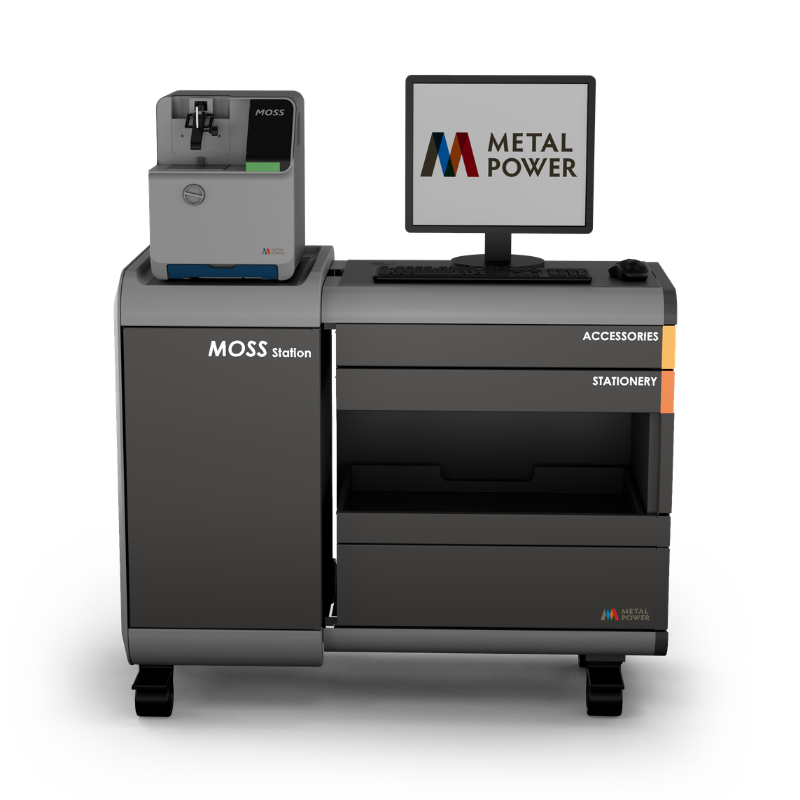
| Size (Floor-Standing) | 490mm (L) x 1000mm (W) x 760mm (H) |
| Weight (Floor-Standing) | ~100kG |
| Operating Temperature | 18 - 35˚C |
| Storage Temperature | -10 - 50˚C |
| Relative Humidity | 20 - 80% (Non-condensing) |
| Regulatory Certifications | CE Certified |
| Test Method References | ASTM, DIN |
Ressources
In the same category
-
Moss: Stationary OES
-
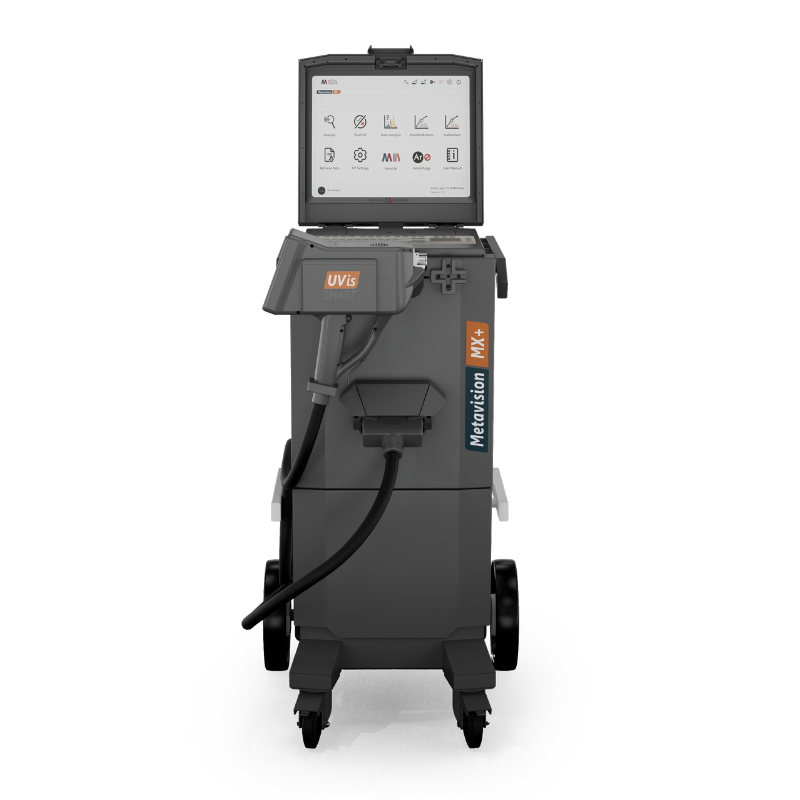
Metavision MX+ : mobile OES
-
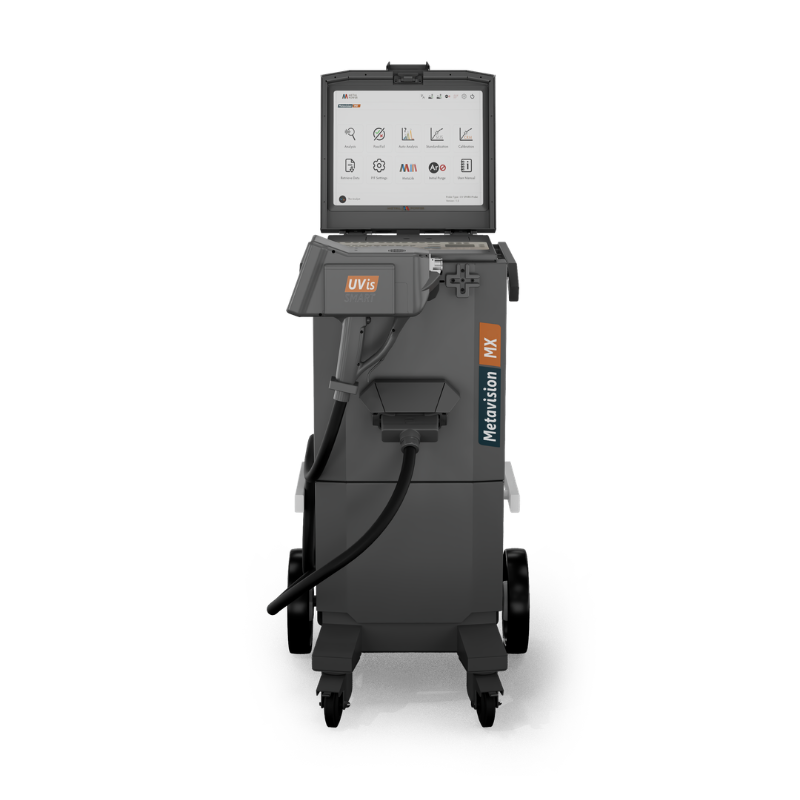
Metavision- MX
-
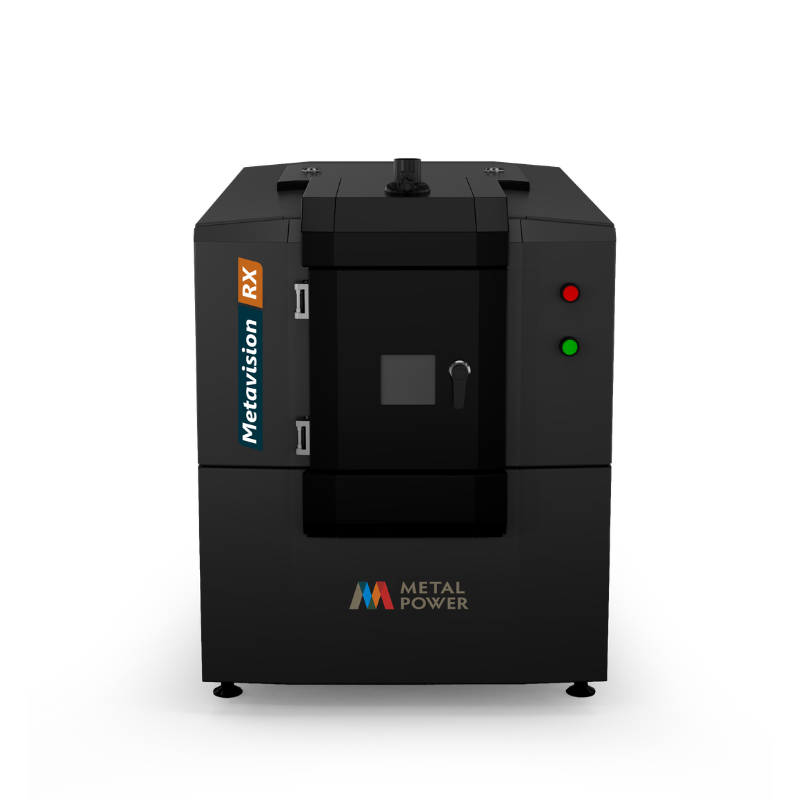
Metavision RX: Stationary OES
-
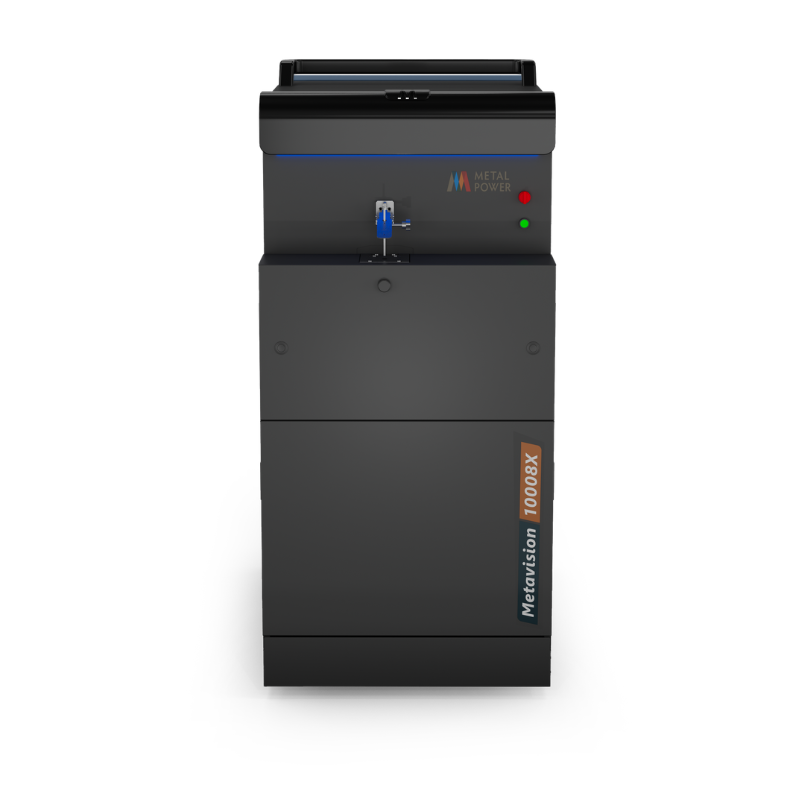
Metavision-10008X: Stationary OES
-
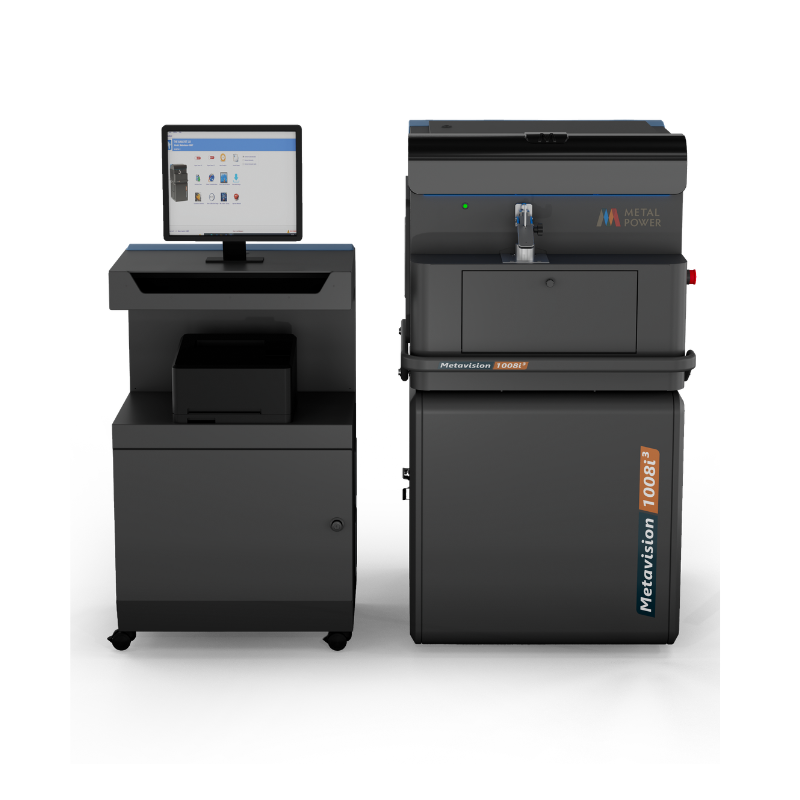
Metavision-1008i3: Stationary OES
-
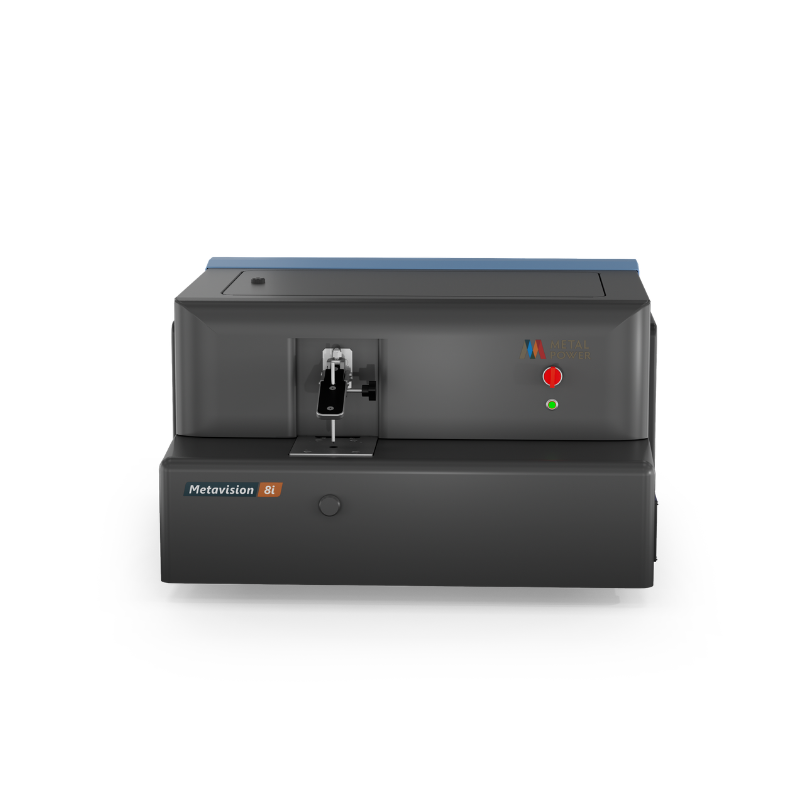
Metavision 8i: Stationary OES
-
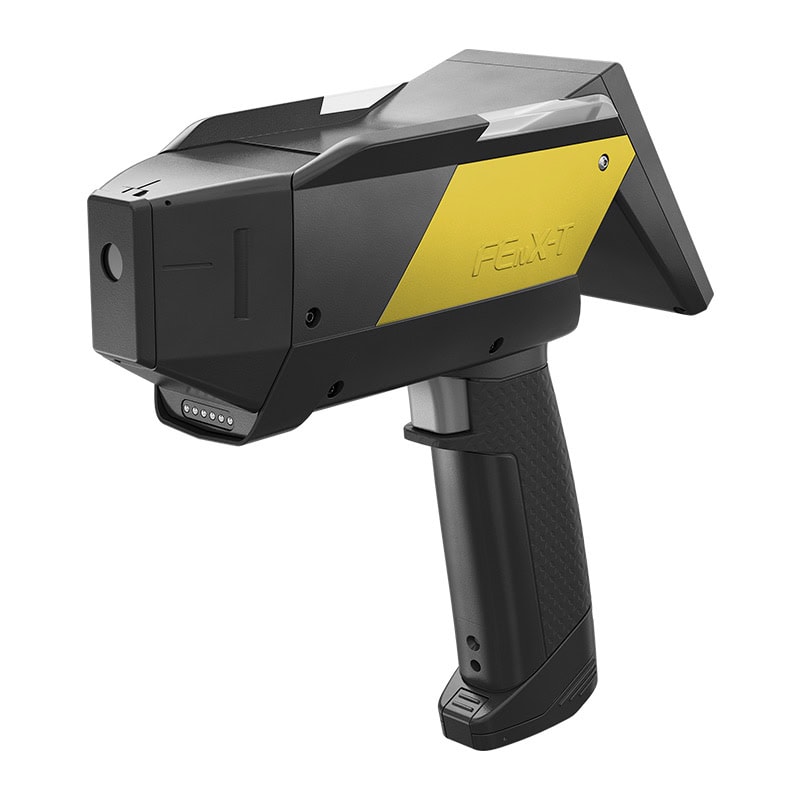
FEnX-T Starter: handheld XRF analyzer for metals
-
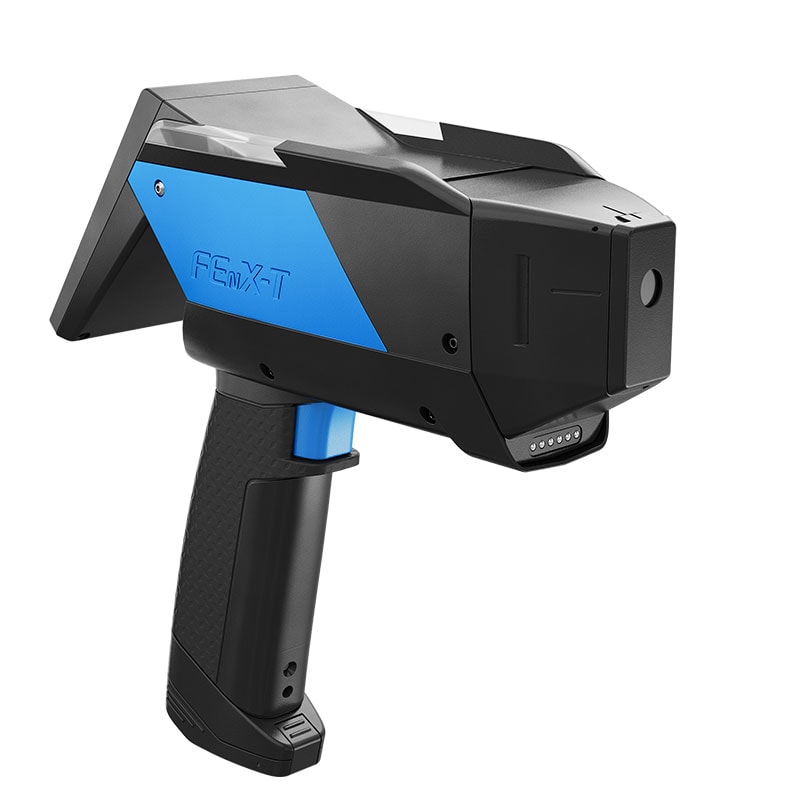
FEnX-T, XRF analyser
-
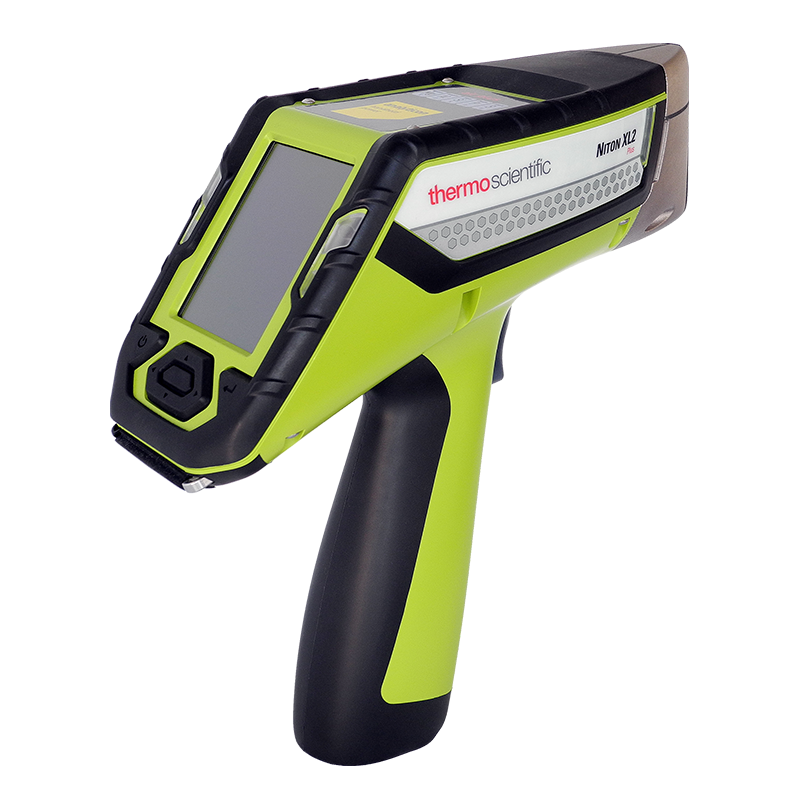
Niton™ XL2 Plus | XRF Spectrometer
-
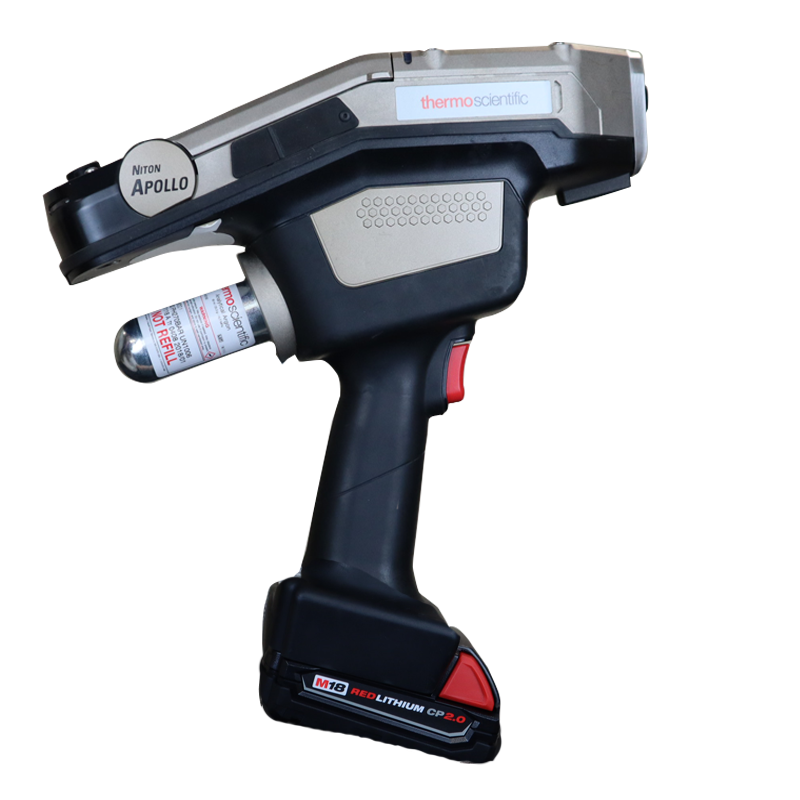
Apollo – LIBS analyzer
-
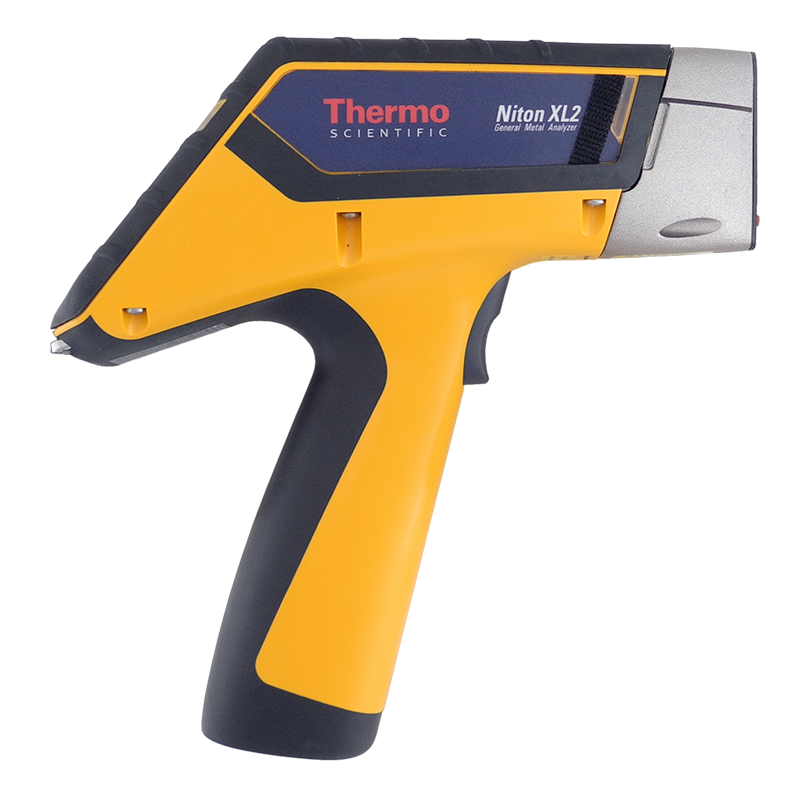
Niton™ XL2 100G XRF analyzer
-
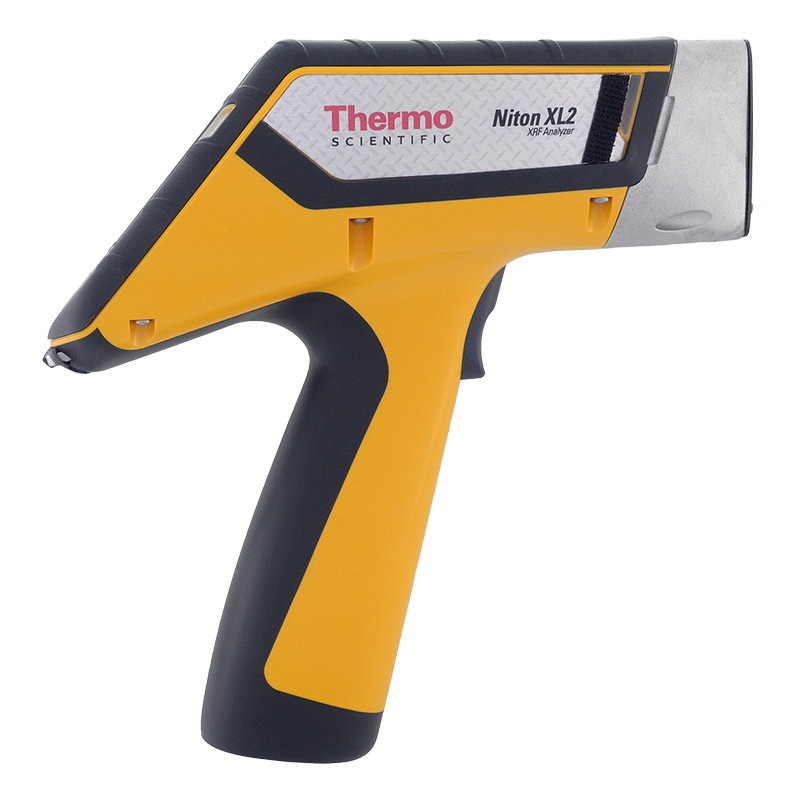
Niton™ XL2 XRF analyzer
-
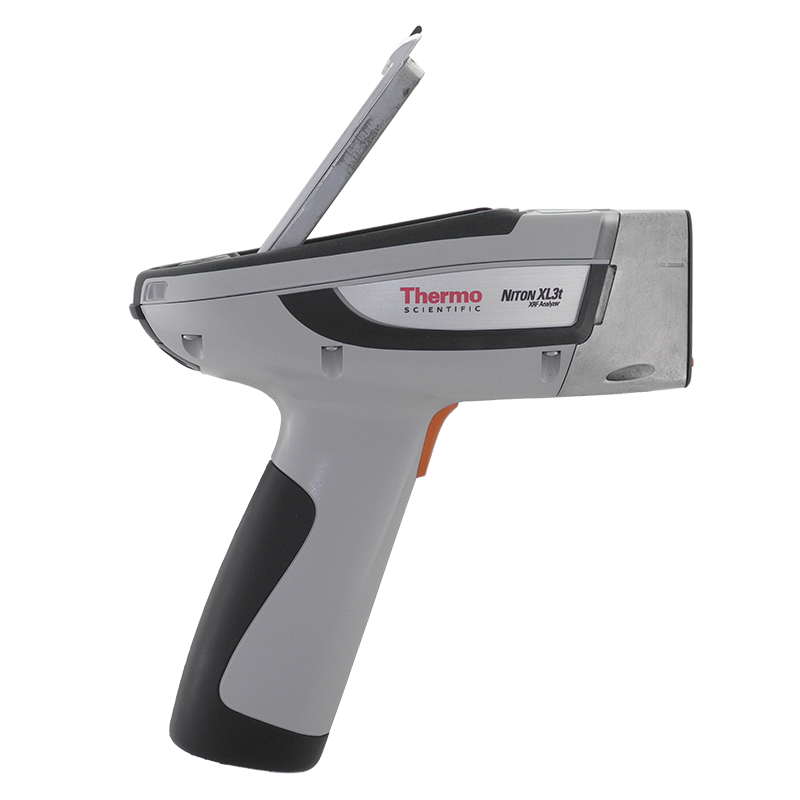
Niton™ XL3t XRF analyzer
-
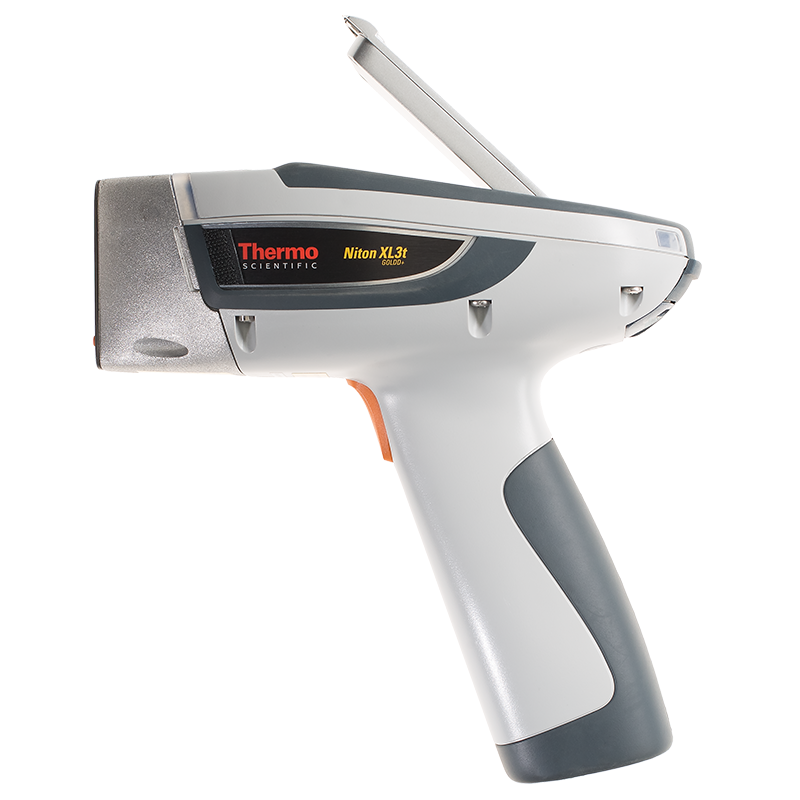
Niton™ XL3t GOLDD+ | XRF analyzer
-
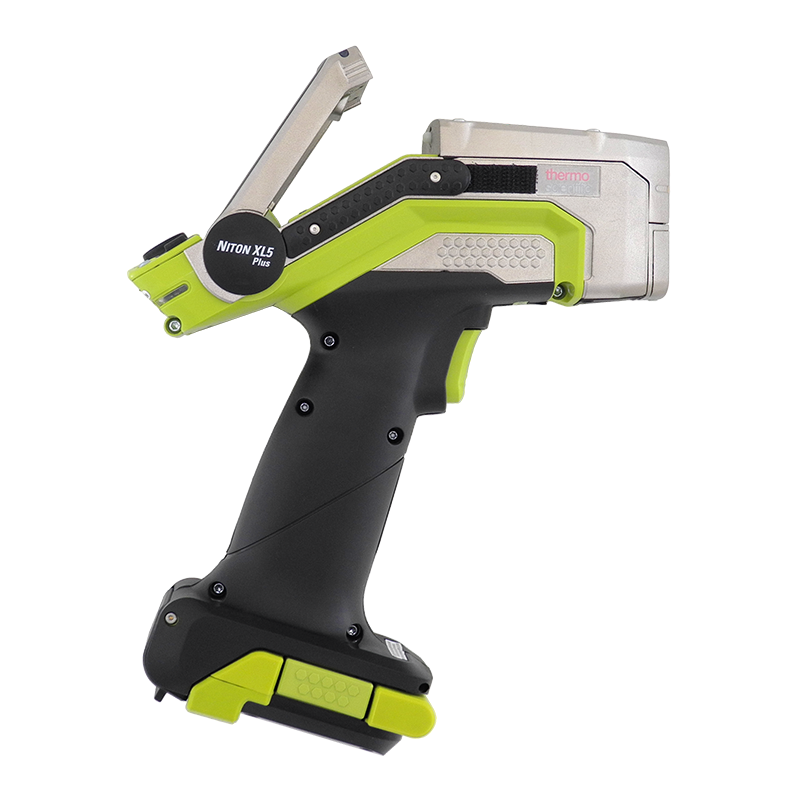
Niton™ XL5 Plus | Handheld XRF analyzer