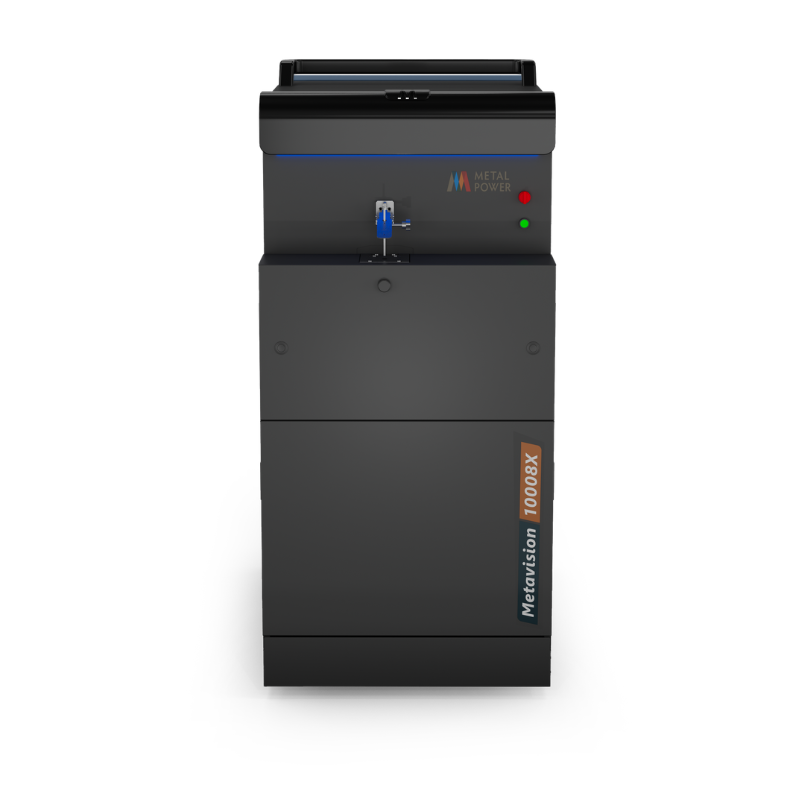
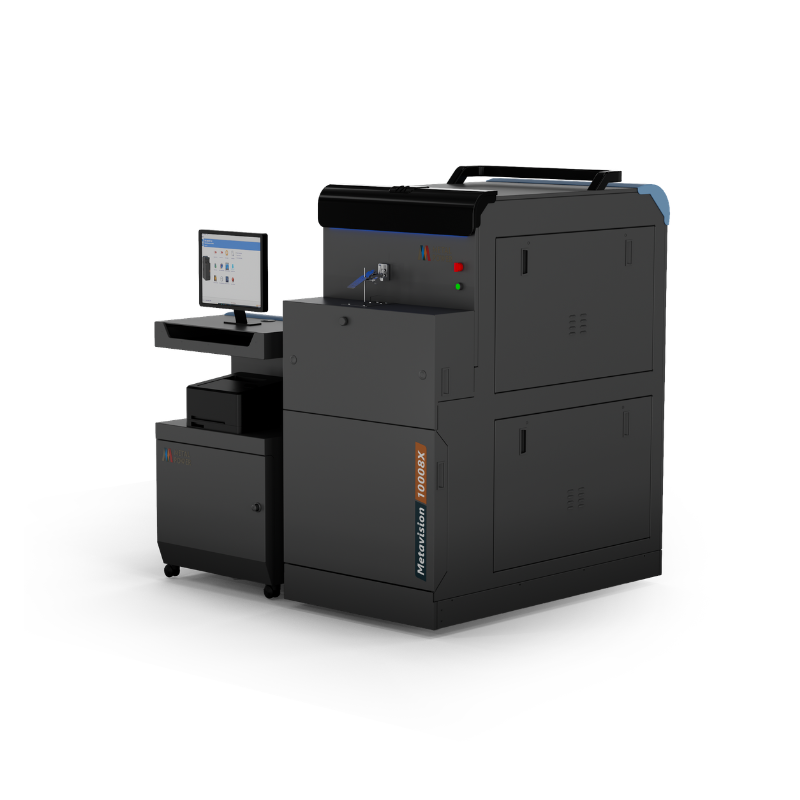
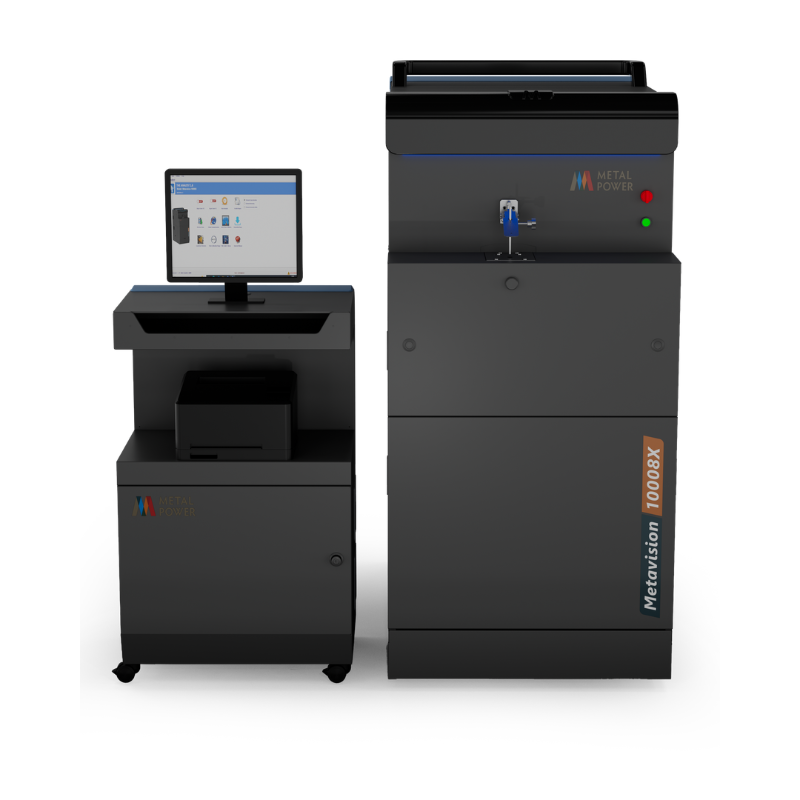
Metavision-10008X: Stationary OES
The pinnacle of OES analysis for the metallurgical industry
- Accurate to a detection limit of ppm and below
- Analyzes over 60 elements
- Purity verification up to 99.998%
The Metavision-10008X is the most advanced stationary optical emission spectrometer (OES) in the Metal Power range.
Designed for research laboratories and industries with high purity requirements, this instrument is capable of detecting almost all elements in the periodic table with detection limits below ppm (parts per million). It sets the standard for ultra-purity control (up to 99.998%). Robust and ultra-high-performance, it guarantees perfect stability for your most critical analyses.
Advantages
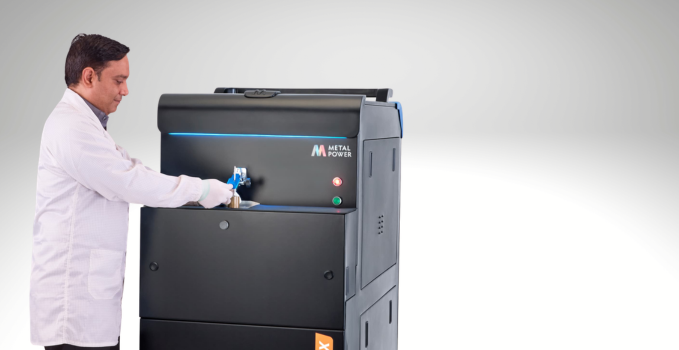
Optical excellence
Metavision-10008X features a high-resolution dual optical system covering a wavelength range of 118-800 nm and a Deep UV optical chamber covering a range of 118-235 nm.
This technology enables high levels of accuracy across more than 60 elements, making the instrument ideal for producers of pure metals (lead, zinc, copper, titanium) who need to certify exceptional purity levels. Thanks to its sealed, cooled, and thermally stabilized optics, the Metavision 10008X ensures repeatable results, even in the most demanding industrial environments.
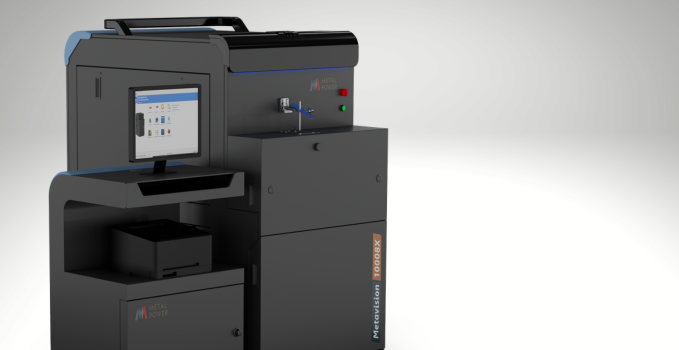
Complete control of gases and soluble/insoluble analyses
Beyond basic analysis, the Metavision-10008X excels at detecting gases (nitrogen, oxygen, hydrogen) at trace levels that are critical for high-performance alloys. It also incorporates time-resolved spectroscopy (TRS), a cutting-edge feature that can differentiate between soluble and insoluble components in steels (such as aluminum, titanium, or boron).
This capability is crucial for steel mills and R&D centers that want to finely control the metallurgical structure of their products. In addition, the device is capable of analyzing samples with complex shapes or small sizes, such as ultra-fine wires of 0.1 mm or metal sheets only 20 microns thick, offering great versatility.
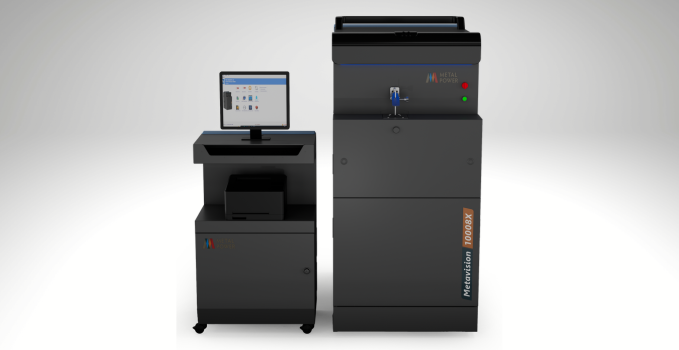
Sustainable performance and smart connectivity
The Metavision-10008X uses a multi-level internal argon purification system, ensuring the purity of the gas in the optics. The “Smart STD” system allows for complete recalibration using a single standard sample, reducing standardization time.
On the software side, the intuitive interface facilitates the management of shade libraries and automatic alloy identification. Finally, thanks to its compatibility with the Metal Power digital ecosystem, data can be exported in real time to a LIMS system or accessed remotely.
Applications
Alloy analysis
Specifications
| Technology | Optical arc/spark emission |
| Format options | Standing |
| Configuration | Double optics without vacuum |
| Design | Rowland circle with Paschen-Runge mounts |
| Detector type | CMOS/CCD |
| Detection device | Multiple detector array |
| Wavelength coverage | 118-800 nm |
| Focal length | 750 mm |
| Grid (grooves/mm) | 3 600 & 2 400 |
| Reciprocal linear dispersion | 0.32 nm/mm |
| Construction | Sealed |
| Peltier-cooled optics | Yes |
| Internal purification with argon | Multi-stage purification |
| Automated profiling | Yes |
| Thermal stabilization | Yes |
| Excitation source type | Fully digital PWM |
| Control indicator | Controlled by current |
| Maximum discharge frequency (Hz) | 1,000 |
| Input voltage range | 90-270 VAC |
| Frequency | 50/60 Hz |
| Spark chamber | Open Booth |
| Electrode flow type | Jet flow |
| Automatic sample detection | Available |
| Electrode | Tungsten |
| Quick Release Spark Plate | Yes |
| Electronics - Reading system | ADC 16 bits |
| Computer interface | Ethernet |
| Factory calibration available | Ferrous metals, aluminum, copper, nickel, lead, tin, zinc, titanium, magnesium, cobalt, zirconium, and silver |
| Alloy Programs | Individual alloy programs for all of the above elements |
| Basic coverage | +60 |
| Time-resolved spectroscopy (TRS) | Yes |
| Purity analysis | 99,998%+ |
| Hydrogen (H) in titanium (Ti) | Yes |
| Oxygen (O) in iron, copper, titanium, and nickel | Yes |
| Nitrogen (N) in steels | Yes |
| Soluble-Insoluble in steels (Al, Ti, B, Ca) | Yes |
| Sodium (Na) and lithium (Li) in aluminum | Yes |
| RoHS elements (Pb, Hg, Cd) | Yes |
| Standardization/Recalibration | Smart STD (Single Sample Technique) |
| Size | 1261mm (L) x 724mm (W) x 1507mm (H) |
| Weight | ~280 Kgs |
| Operating temperature | 18 - 35˚C |
| Storage temperature | -10 - 50˚C |
| Relative humidity | 20 to 80% (non-condensing) |
| Regulatory certifications | CE certified |
| References on test methods | ASTM, DIN |
Ressources
In the same category
-
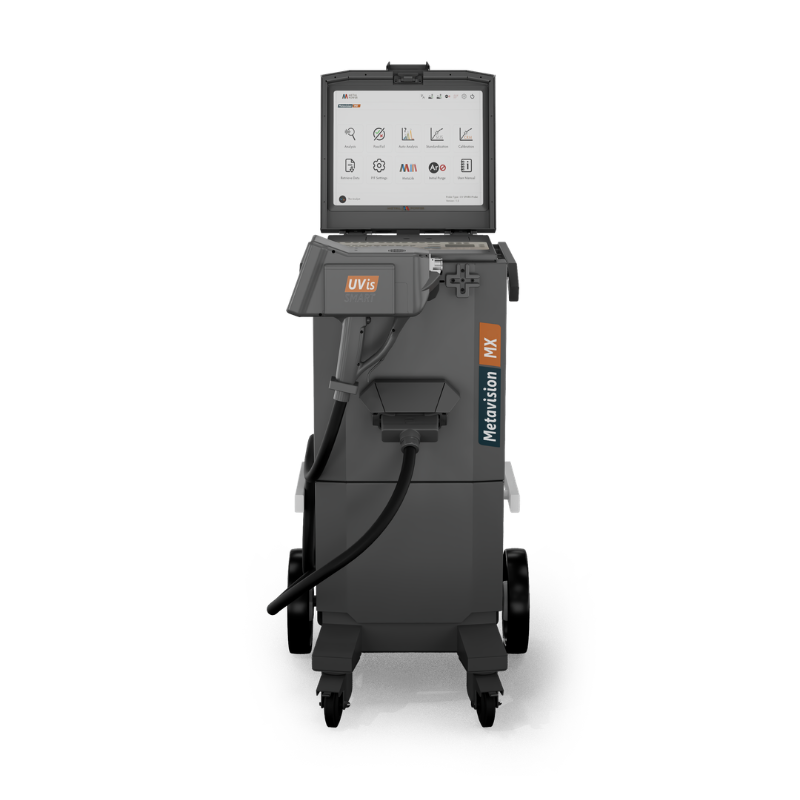
Metavision- MX
-
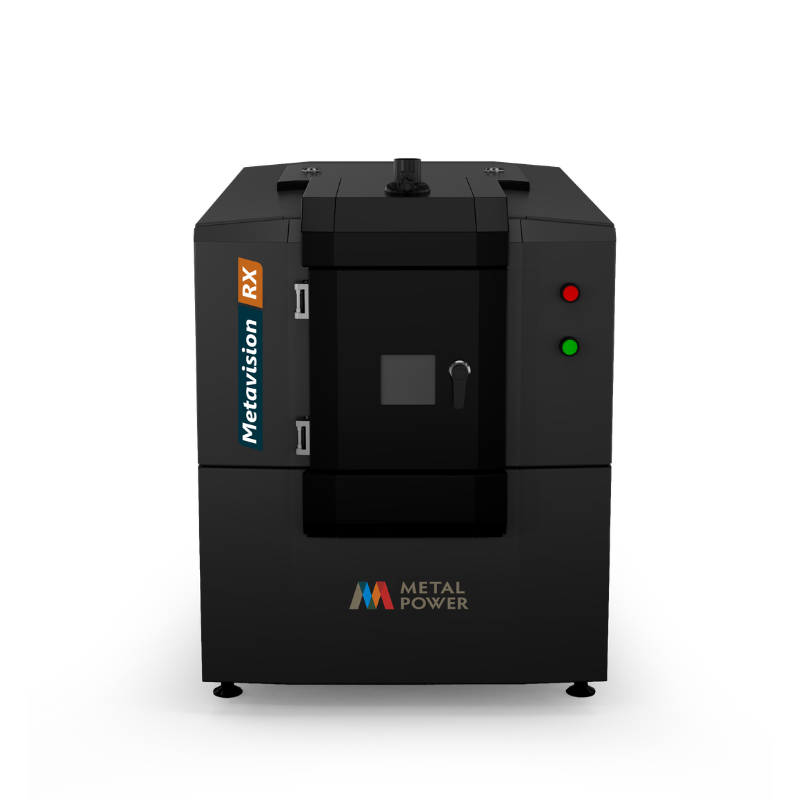
Metavision RX: Stationary OES
-
Metavision-10008X: Stationary OES
-
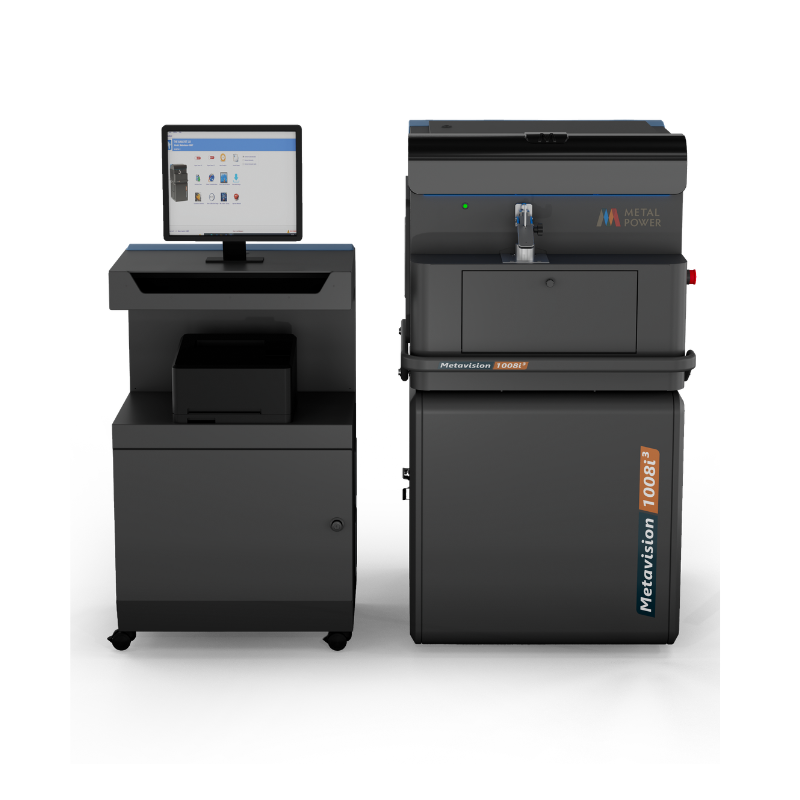
Metavision-1008i3: Stationary OES
-
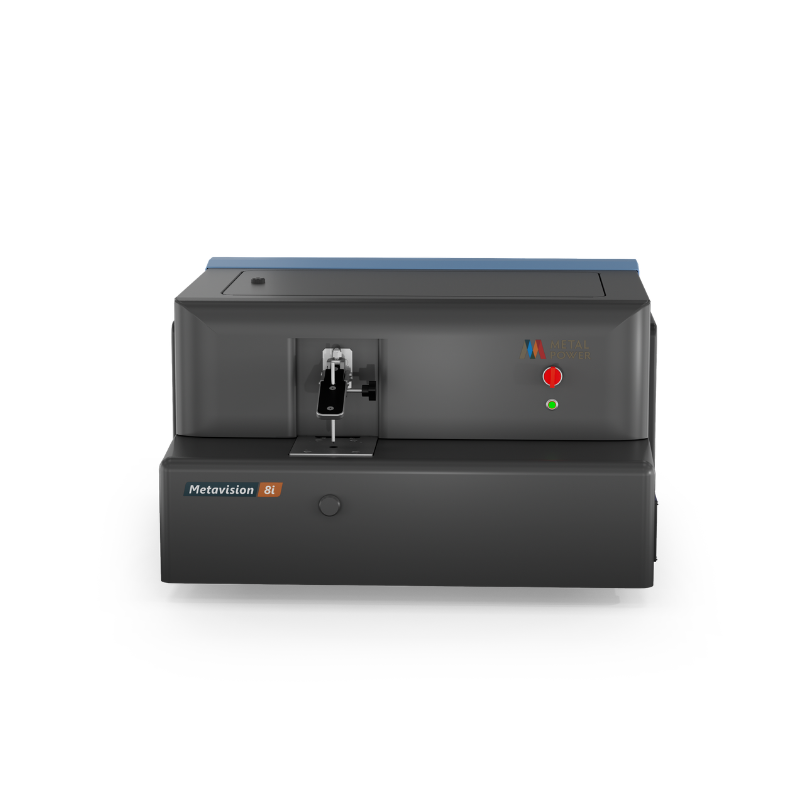
Metavision 8i: Stationary OES
-
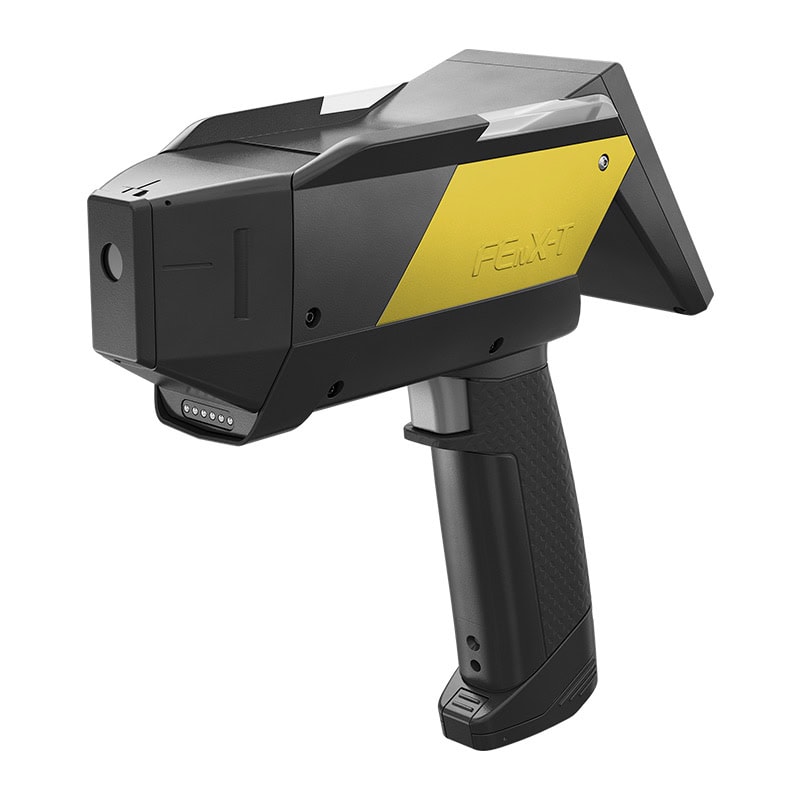
FEnX-T Starter: handheld XRF analyzer for metals
-
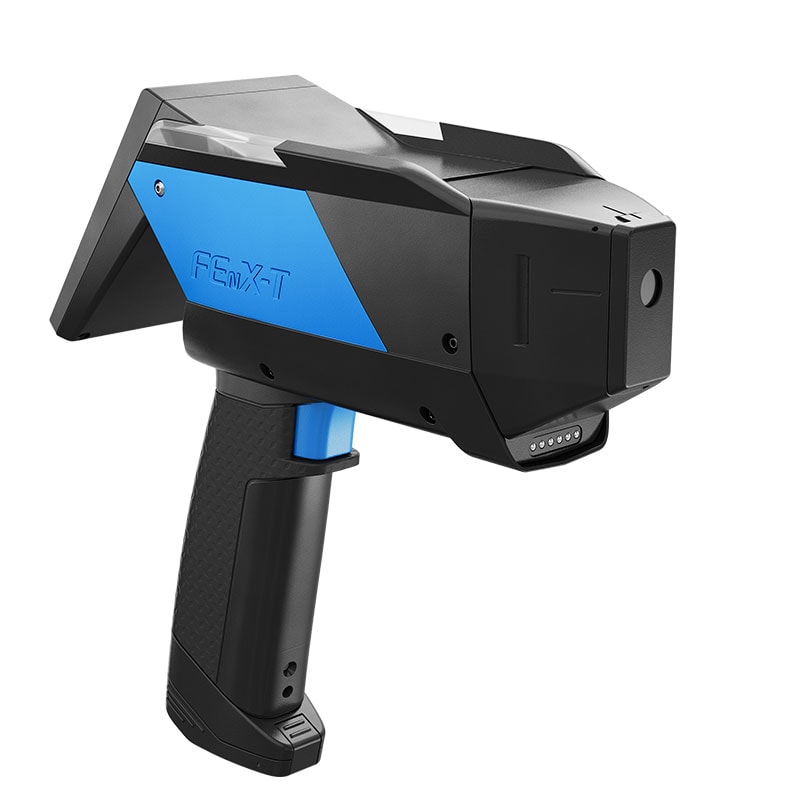
FEnX-T, XRF analyser
-
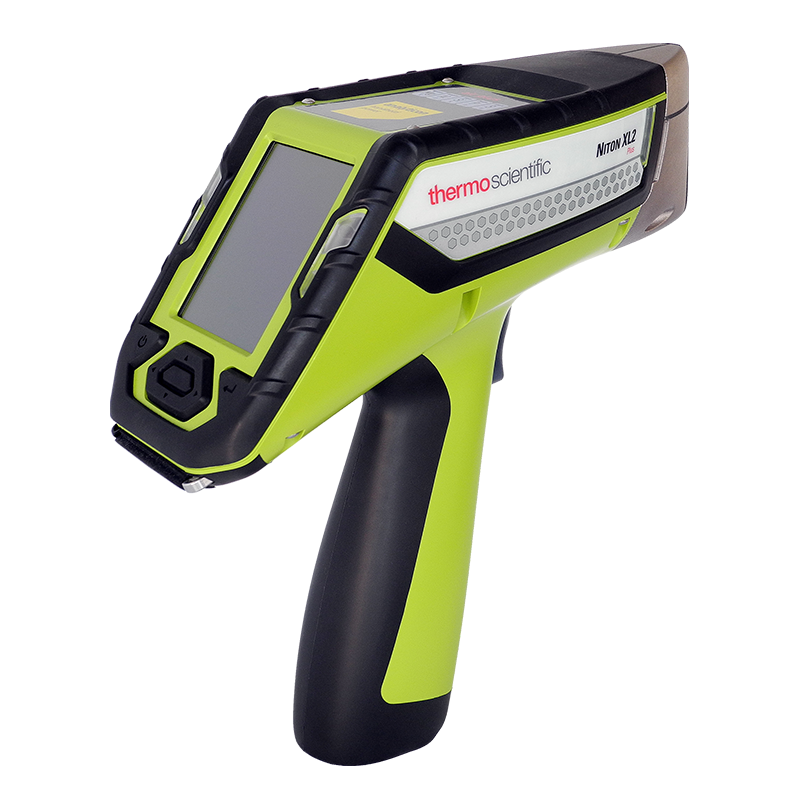
Niton™ XL2 Plus | XRF Spectrometer
-
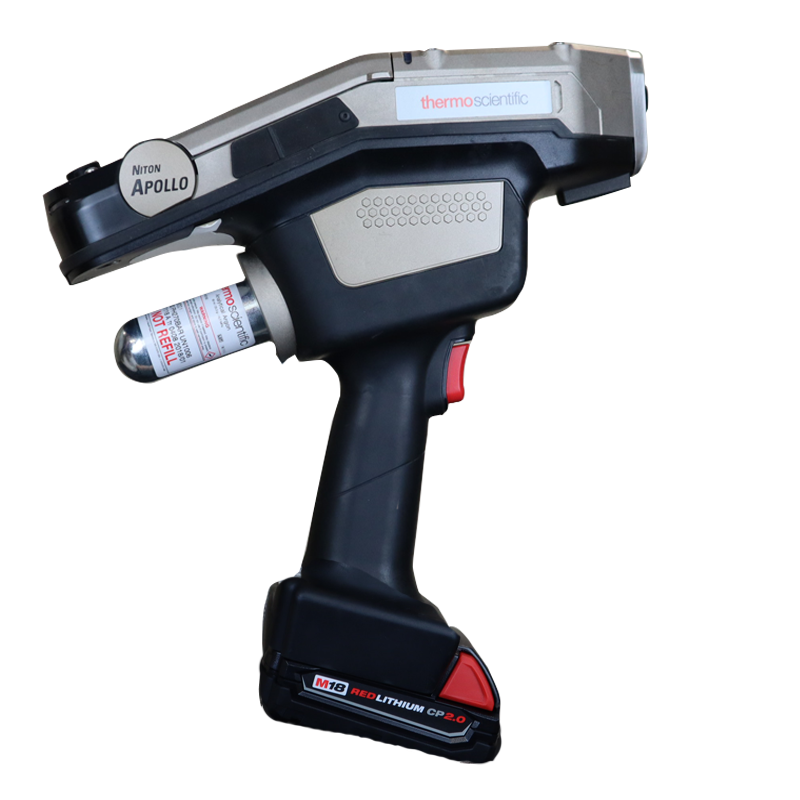
Apollo – LIBS analyzer
-
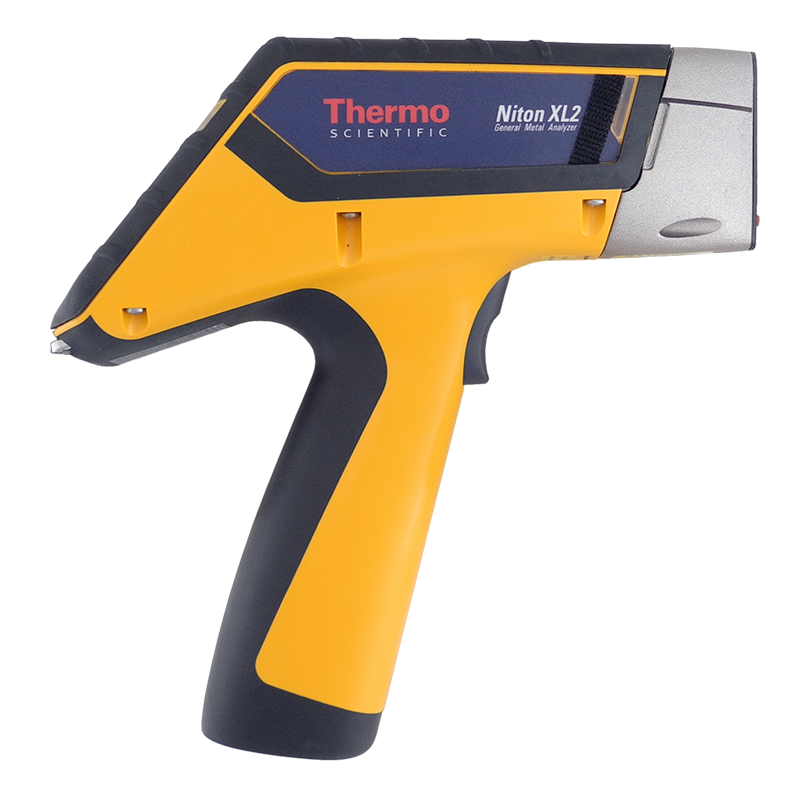
Niton™ XL2 100G XRF analyzer
-
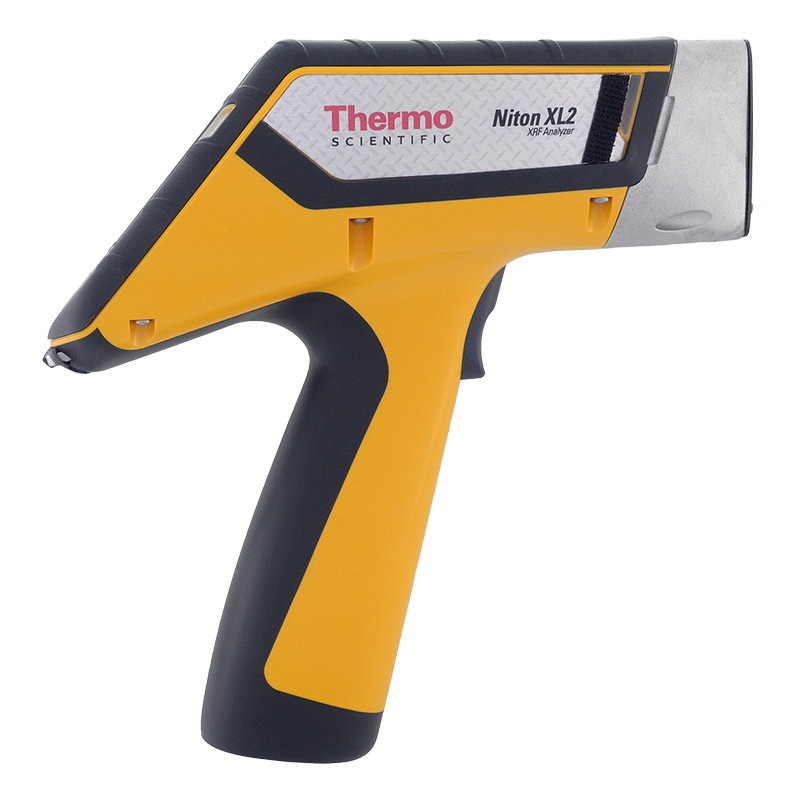
Niton™ XL2 XRF analyzer
-
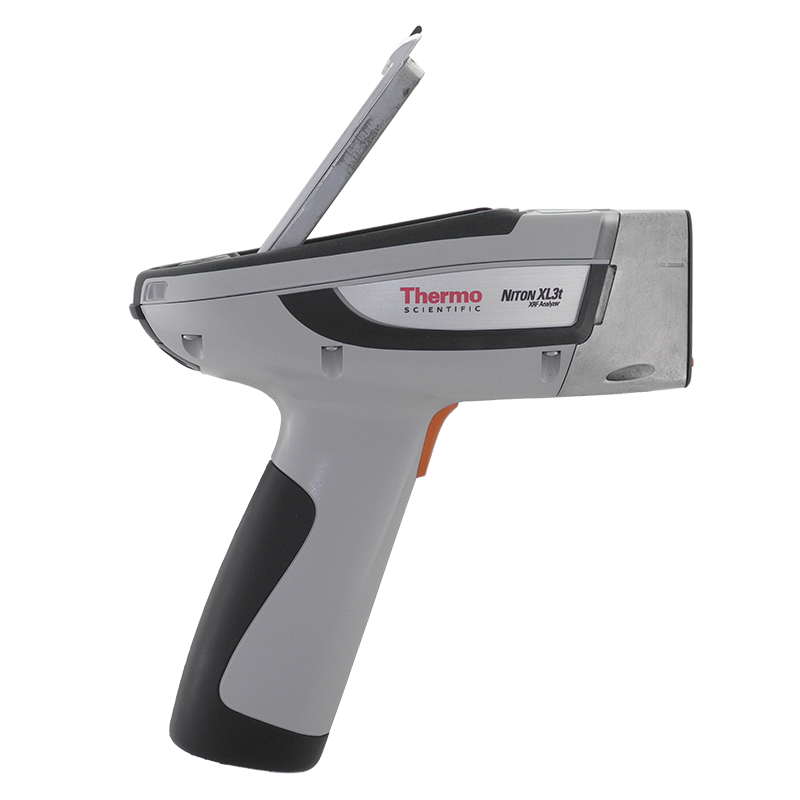
Niton™ XL3t XRF analyzer
-
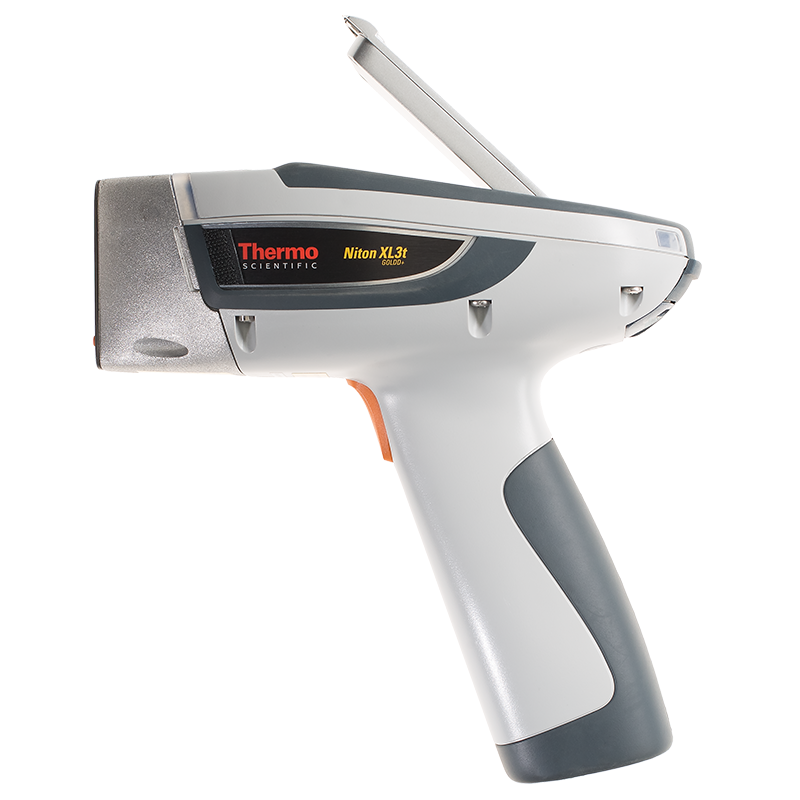
Niton™ XL3t GOLDD+ | XRF analyzer
-
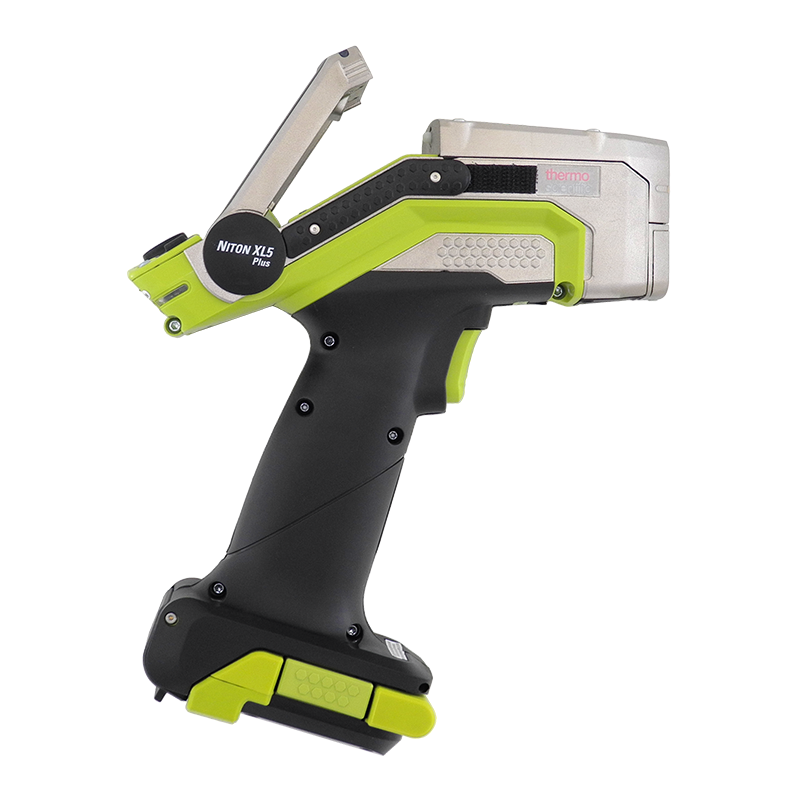
Niton™ XL5 Plus | Handheld XRF analyzer